Buyer Guides
Best Tiny House Builders in 2026: The Honest Operator's Shortlist
An operator's 2026 shortlist of the best tiny house builders, grouped by category, with honest strengths and weaknesses. PERCH does not endorse — final verification is on the buyer.
On this page
If you've spent more than a weekend researching tiny houses, you already know the trap. Every builder's site looks like a Pinterest board. Every YouTube tour ends with the same drone shot. And every "best of" list reads like it was written by someone who has never actually slept in one of these things, let alone tried to title, transport, or finance one.
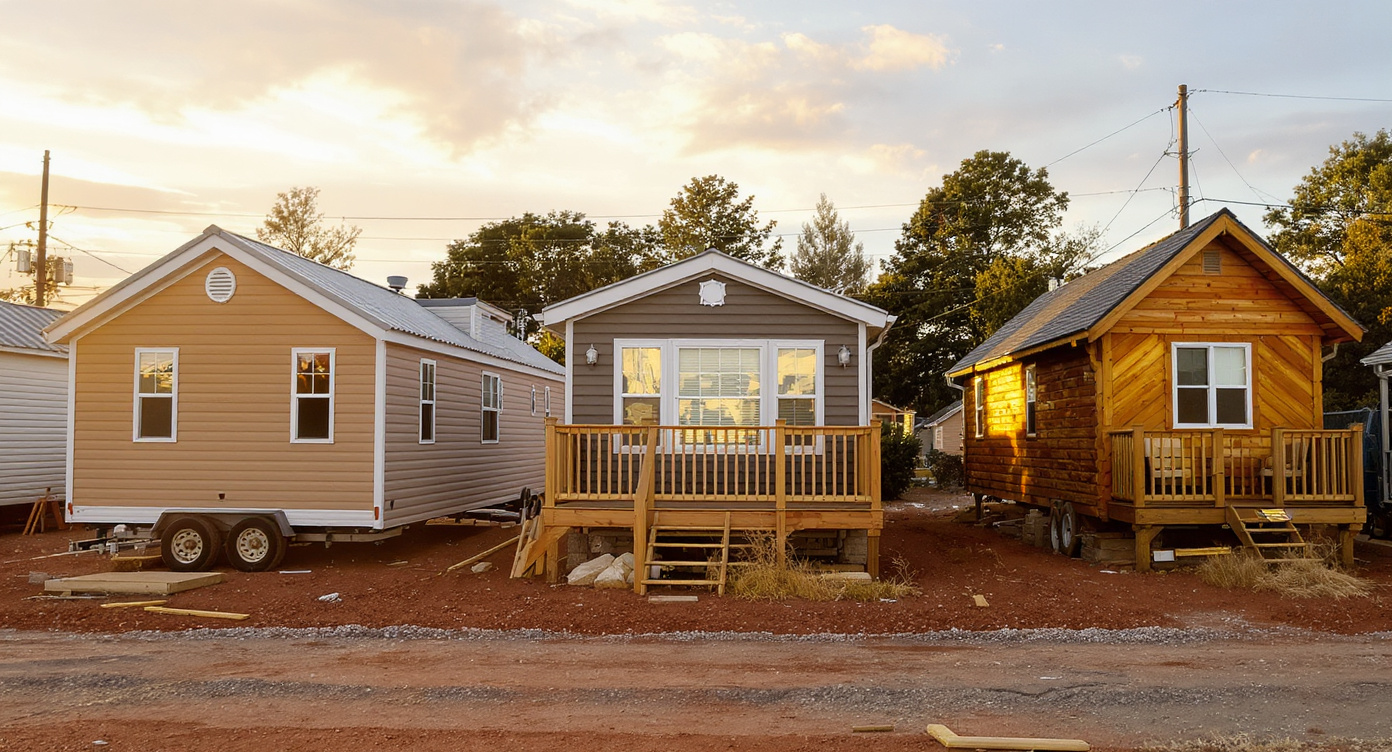
This list is different because PERCH is different. We run the marketplace where modular and tiny homes get listed, resold, and matched with land — the Autotrader × Zillow analog for factory-built housing. We see which builders show up on titles, which ones leave warranty orphans behind, and which ones the financing desks actually approve. What follows is our 2026 shortlist of the best tiny house builders, grouped by the four real categories buyers actually shop in, with honest strengths and weaknesses for each. PERCH does not inspect or endorse any builder on this list. We verify license, bond, and complaint records on the homes we publish, but the final walk-through is on you.
How We Evaluated
Certifications. This is the single most important filter. A tiny house on wheels is either an RV in the eyes of the law or it is unregistered cargo. The two certifications that matter are RVIA (Recreation Vehicle Industry Association) and NOAH (National Organization of Alternative Housing). For foundation-built tiny homes, the certification is IRC Appendix Q. For factory-built modular cottages, the certification is a state modular insignia. No insignia, no occupancy permit. No occupancy permit, no resale.
Tenure. We weight builders who have been operating under the same legal entity for at least five years. The 2020-2022 tiny house gold rush minted hundreds of builders. A lot of them are gone. A warranty from a dissolved LLC is wallpaper.
Warranty. The floor is one year structural, two years systems. Anything less is a red flag.
Transport included. Some builders deliver. Most charge separately and use a third-party hauler. The "starting at $X" price almost never includes the 2,000-mile freight bill. Ask in writing.
Financing relationships. Real builders have standing relationships with at least one of the chattel lenders (Triad, 21st Mortgage, Cascade) or RV lenders (Medallion, Southeast Financial).
THOW-Certified Builders (Tiny House on Wheels)
Tumbleweed Tiny House Co. (Colorado Springs, CO). The original brand-name in the category. Tumbleweed has been building since 1999 and was the first to ship RVIA-certified THOWs at scale. Strength: Brand recognition matters at resale. The certification paperwork is clean. Weakness: Pricing is at the top of the category and the designs feel dated next to the 2024-2026 newcomers. Who it's for: Buyers who want a known quantity and plan to resell within five years.
Mint Tiny House Company (Delta, BC, Canada). Cross-border builder with a strong U.S. customer base, especially in the Pacific Northwest. Strength: Build quality is genuinely high — tight tolerances, real cabinetry, no particleboard shortcuts. Lead times are usually shorter than U.S. competitors. Weakness: Cross-border title and warranty service add friction. Who it's for: PNW buyers who value craftsmanship and have a local handyman for warranty issues.
Liberation Tiny Homes (Lancaster County, PA). Mennonite-built, family-owned, RVIA certified. Strength: Old-world build quality at a more accessible price than Tumbleweed. Honest, no-frills sales process. Weakness: Aesthetic is conservative — if you want the Scandi-minimalist Pinterest look, this is not your builder. Who it's for: East Coast buyers who want a workhorse, not a showpiece.
IRC Appendix Q Foundation Builders
This is the fastest-growing category and the one with the most upside at resale. An IRC Appendix Q home is a real house in the eyes of the law — it can be titled as real property, financed with a conventional mortgage in adopting jurisdictions.
New Frontier Tiny Homes (Nashville, TN). The high-design end of the category. Strength: Architectural detail and finish work that rivals custom homes ten times the size. Strong YouTube and HGTV presence drives resale demand. Weakness: Prices start where most competitors end. Lead times have historically run long. Who it's for: Buyers using a tiny home as a primary residence or premium short-term rental.
Tiny Heirloom (Portland, OR). Custom-build shop operating since 2014. Strength: Genuinely custom — they will build to your floor plan rather than retrofitting a template. Weakness: Custom means custom pricing. Who it's for: Buyers with a specific spatial requirement (accessibility, aging-in-place, unusual lot).
Modern Tiny Living (Columbus, OH). Midwest-based, IRC Appendix Q focused, with a side line in THOW builds. Strength: Pricing is among the most honest in the category — what they quote is what you pay, including transport within a reasonable radius. Weakness: Design library is smaller than competitors. Who it's for: Midwest and Mid-South buyers who want a turnkey foundation home.
Park Model RV Builders
Park model RVs (PMRVs) are the quiet workhorse of the tiny home world. Built to ANSI A119.5, they top out at 400 square feet.
Wheelhaus (Jackson, WY). Higher-end park model builder leaning into the resort and glamping market. Strength: Architectural design is genuinely distinctive — cantilevered roofs, full-glass walls, real materials. Weakness: The price point ($150K-$300K+) makes it a tough comp for a 400-square-foot box. Who it's for: Resort developers and second-home buyers in destination markets.
Escape Homes (Rice Lake, WI). Long-running park model builder with a strong A-frame and traditional cabin line. Strength: Tenure (15+ years), broad floor plan library, and a delivered-price model that includes freight within the lower 48. Weakness: The aesthetic skews traditional cabin, which dates faster than minimalist designs. Who it's for: Buyers placing a unit in an established tiny-home community or RV resort.
Cornerstone Tiny Homes (Longwood, FL). Florida-based builder with both park model and THOW lines. Strength: Strong financing relationships and a streamlined sales process. Weakness: Build quality is solid but not exceptional. Who it's for: Florida and Southeast buyers who want a fast, predictable purchase.
Modular Cottage Builders
This is where the tiny house movement meets the actual housing industry.
Clayton Homes (Maryville, TN). The 800-pound gorilla. Strength: Scale and financing. Clayton's CrossMod and i-house lines have brought factory-built homes meaningfully closer to site-built quality. National dealer network and standing financing relationships. Weakness: The dealership experience is uneven — verify the specific dealer, not just the brand. Who it's for: First-time buyers and anyone prioritizing financeability over custom design.
Champion Home Builders (Troy, MI). The other major scale player, with the Genesis, Skyline, and Titan lines. Strength: Broad price range, strong presence in the modular cottage segment, and good factory-direct dealer training. Weakness: Like Clayton, the quality varies by which factory built your specific home. Who it's for: Buyers in markets where Clayton dealer coverage is weak.
Method Homes (Seattle, WA). Higher-end modular with a sustainability focus. Strength: Build quality and design rival custom site-built homes. LEED and Passive House certifications available. Weakness: Price point ($300-$500/sq ft delivered) puts it out of reach for the affordability-driven buyer. Who it's for: Buyers using factory-built as a design and timeline choice, not a cost choice.
Plant Prefab (Rialto, CA). California-focused modular with a strong ADU line. Strength: Genuinely good for ADU and second-unit applications in the California market. Weakness: Geographic concentration. If you're outside California or the Southwest, freight kills the math. Who it's for: California buyers adding an ADU or replacing an aging cottage.
DIY Shell vs. Turnkey: The Decision Tree
| Situation | Buy a Shell | Buy Turnkey |
|---|---|---|
| You have prior framing/electrical/plumbing experience | Yes | No |
| You need to finance the home | No (lenders rarely fund shells) | Yes |
| Your budget is the binding constraint | Maybe (only if labor is free) | Yes |
| You need to move in within 6 months | No | Yes |
| You want a specific architectural detail | Yes | Custom turnkey only |
| You plan to resell within 5 years | No (DIY finish kills resale) | Yes |
The shell route saves real money only if your labor is genuinely free and you have the skills to pass inspection the first time. For everyone else, the math favors turnkey from a builder with a real warranty.
Red Flags When Researching a Builder
- No physical address or factory tour offered. Real builders welcome visits.
- Deposits over 25% before any work begins, or deposits routed to a personal account.
- Vague certification language — "built to RVIA standards" is not the same as "RVIA certified." Ask for the certification number and verify it.
- Warranty terms that exclude transport damage on a home they delivered.
- No standing financing relationship. If they can't name a lender, they don't have one.
- Reviews that are all five stars and all from the same six-month window — review-bombing is cheap.
For the dealer-side version of this checklist — the people reselling factory-built homes rather than building them — read our Mobile Home Dealers guide.
Builder Comparison at a Glance
| Builder | Category | Base Price Range | Certification | Tenure |
|---|---|---|---|---|
| Tumbleweed | THOW | $75K-$130K | RVIA | 25+ yrs |
| Mint | THOW | $80K-$150K | RVIA | 10+ yrs |
| Liberation | THOW | $65K-$110K | RVIA | 10+ yrs |
| New Frontier | IRC Foundation | $150K-$400K+ | IRC Appendix Q | 10+ yrs |
| Tiny Heirloom | IRC Foundation | $120K-$300K | IRC Appendix Q | 10+ yrs |
| Modern Tiny Living | IRC Foundation | $90K-$180K | IRC Appendix Q | 10+ yrs |
| Wheelhaus | Park Model | $150K-$300K+ | ANSI A119.5 | 15+ yrs |
| Escape | Park Model | $70K-$160K | ANSI A119.5 | 15+ yrs |
| Cornerstone | Park Model / THOW | $65K-$140K | ANSI A119.5 / RVIA | 10+ yrs |
| Clayton | Modular Cottage | $80K-$250K | State Insignia | 90+ yrs |
| Champion | Modular Cottage | $75K-$220K | State Insignia | 70+ yrs |
| Method | Modular Cottage | $250K-$600K | State Insignia | 15+ yrs |
| Plant Prefab | Modular Cottage | $200K-$500K | State Insignia / CA HCD | 10+ yrs |
PERCH · Home made for your land.
Ready to shop the resale market?
Join the PERCH waitlistRelated guides
The weekly brief for modern modular living.
Design concepts, zoning workarounds, and market strategies — the specific ones the 22 million families in the missing middle actually need.
Under 3 minutes. Every Friday afternoon. Unsubscribe with one click.
Frequently asked questions
What are the best tiny house builders in 2026?
Which tiny home builders offer the best financing?
Are custom tiny house builders worth the premium?
What's the difference between RVIA, NOAH, and IRC Appendix Q?
How do I find tiny home builders near me?
Are prefab tiny house builders better than site-built?
What should a tiny house warranty cover?
How long do the best THOW builders take to deliver?
Should I buy a used tiny house instead?
Does PERCH endorse any of these builders?
Join the conversation.
Share your take on this guide.
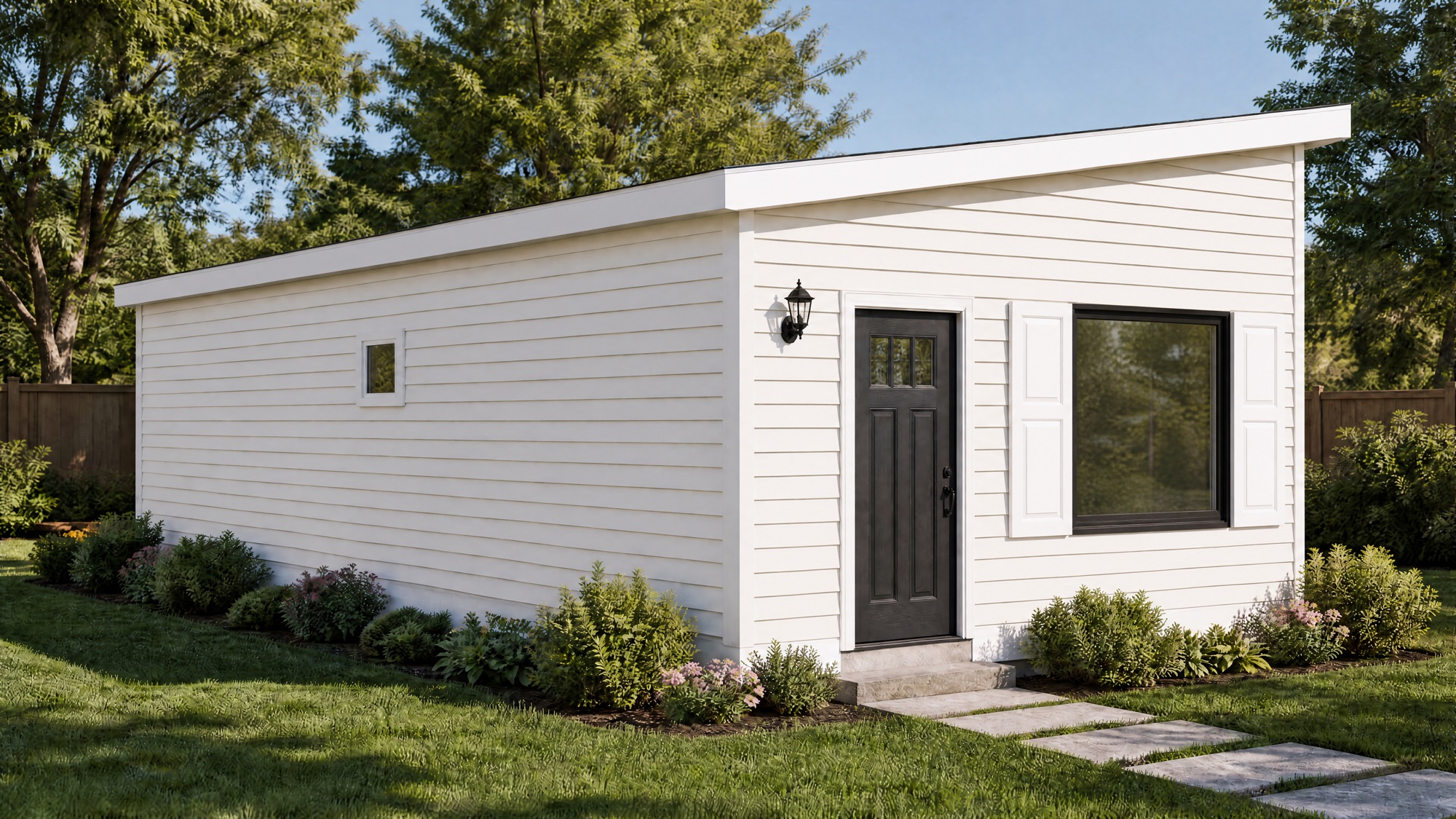 Available now
The Nest
Delivered to your parcel · 60–75 days
- PERCH-designed
- Escrow with proof
Refundable within 7 days.