Buyer Safety
Mobile Home Dealers: How to Verify Who's Legit in 2026
How to verify a manufactured-home dealer in 2026 — the state license landscape, the 10-item red-flag checklist, the questions to ask before you sign, and how PERCH vets builders before they list.
On this page
Buying a manufactured home should feel closer to buying a house than buying a used car off a back lot. But the dealer side of this industry still runs on handshake norms, plywood signage, and websites that look like they were built in 2008. That gap is where buyers get hurt — wire transfers that vanish, units that show up two feet shorter than promised, "dealers" who turn out to be a guy with a Facebook page and no license number.
This guide walks through how to verify a mobile home dealer in 2026 — the state licensing landscape, the red flags that should stop a transaction cold, the exact questions to ask before you sign anything, and how PERCH vets builders before they ever appear on the marketplace. If you've searched mobile home dealers near me and felt the same uneasy feeling you'd get walking onto a sketchy car lot, this is for you.
The State Licensing Landscape
The Department of Housing and Urban Development (HUD) regulates manufactured home construction at the federal level through the HUD Code, but dealer licensing is a state-by-state matter. The structure varies more than most buyers realize:
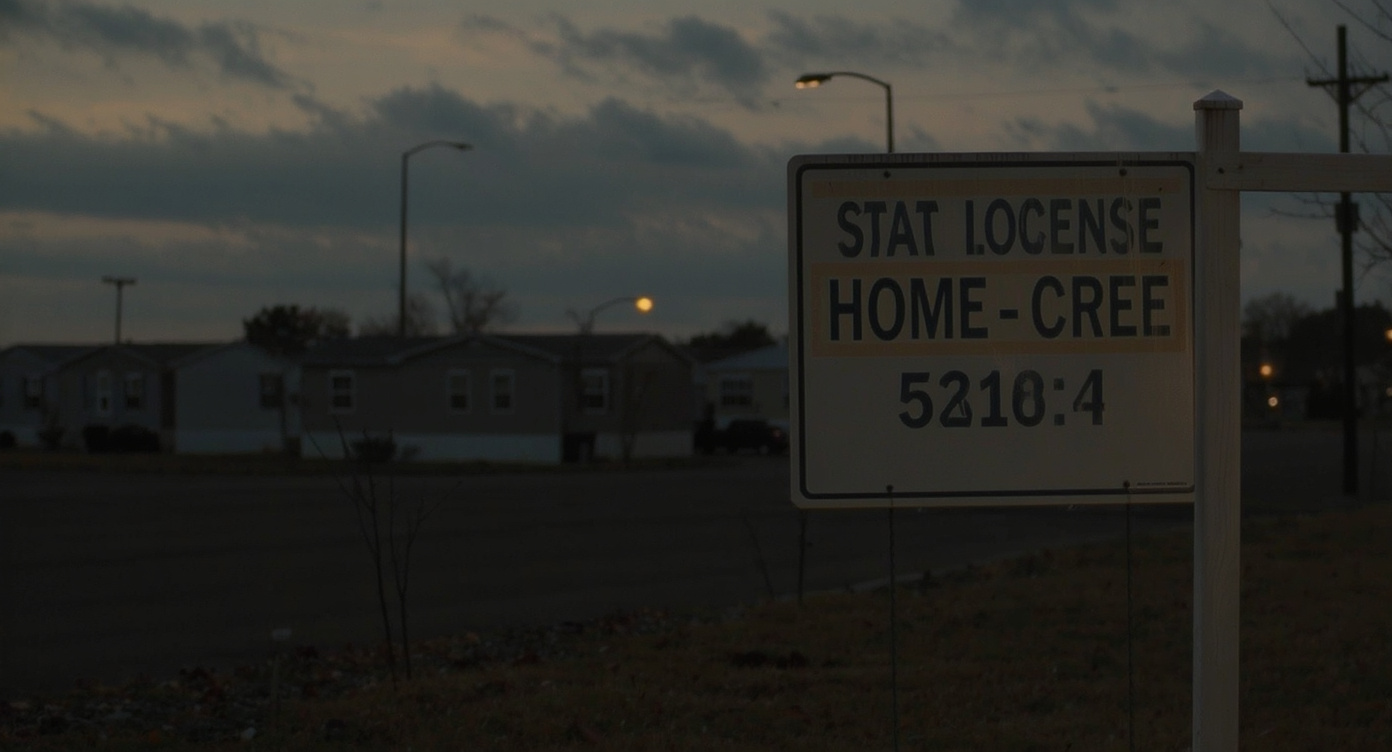
- State DMV-style licensing. States like Texas, Florida, and Arizona license manufactured home dealers through housing or motor vehicle divisions that issue a numbered retailer license, require a surety bond (often $25,000–$100,000), and publish a searchable database of active license holders.
- State Department of Housing or Manufactured Housing Board. Texas runs the TDHCA Manufactured Housing Division. Florida runs DBPR. California uses HCD. Each issues a unique dealer ID that should appear on every contract and every lot sign.
- HUD-approved State Administrative Agencies (SAAs). About 37 states have HUD-approved SAAs that handle consumer complaints, installation oversight, and dispute resolution. If your state has an SAA, that's also the body you escalate to when something goes wrong.
- Light-touch states. A handful of states have minimal dealer licensing requirements, which is exactly where the worst scam patterns concentrate. If you're buying in a light-touch state, you have to do more diligence yourself, not less.
The practical takeaway: every legitimate dealer in the United States can hand you a license number, a bond number, and a regulator's phone number on request. If they can't, you don't have a dealer. You have a person.
How to Verify a Dealer's License in Writing
Verifying a manufactured home dealer license takes about ten minutes. Here is the sequence I use, and the same sequence we run on every builder applying to list on PERCH:
- Ask for the license number in writing. Email, text, or a screenshot of their lot sign. Get it in a format you can save.
- Pull up the state regulator's public lookup tool. Search "[your state] manufactured home dealer license lookup." Every regulated state has one. Confirm the license is active, not expired, not suspended, and matches the legal business name on the contract you're about to sign.
- Check the bond. Most state lookups will show whether the dealer's surety bond is in force. A lapsed bond means you have no financial recourse if the dealer disappears with your deposit.
- Cross-check the business entity. Run the business name through your Secretary of State's business entity search. The entity should be in good standing, and the registered agent should match what's on the contract.
- Confirm the sales rep is authorized. In several states, individual salespeople also need a license tied to the dealer.
Do all five before you wire anything. The dealers worth buying from will respect the request. The ones who push back are telling you who they are.
Common Scam Patterns in 2026
The Amazon "tiny home" listing. A $15,000–$45,000 "prefab cabin" listed on Amazon or Alibaba with stock renders, no manufacturer name, and a shipping window of 60 days. Most are not what they appear. Almost none meet HUD Code for permanent residency. If the listing doesn't name the factory and doesn't reference HUD certification, it's not a home — it's a shed with marketing.
Fake dealer logos and cloned sites. Scammers copy the website of a legitimate regional dealer, swap the phone number and bank info, and run paid ads. Always verify the URL character-by-character and call the phone number listed on the regulator's public record, not the number on the site.
Deposit-and-vanish. A "dealer" takes a 10–30% deposit via wire or Zelle to "secure your unit at the factory." There is no unit. There is no factory order. Wires and Zelle have almost no recourse. Use a credit card or escrow.
Bait-and-switch on unit specs. You sign for a 28x60 with upgraded insulation, a 6-12 roof pitch, and drywall interior. What shows up is a 28x56 with the base spec package. Lock specs by model number, serial number when assigned, and a signed addendum listing every upgrade.
The "we'll handle financing" trap. A dealer steers you to a single lender who quotes a rate two to four points above market. Always shop your own financing in parallel — credit unions and manufactured-specific lenders (21st Mortgage, Triad, Cascade) will usually beat dealer-captive rates.
Mobile Home Dealer Red Flags: A 10-Item Checklist
Save this list. Pull it out before you sign anything. Any single item is a yellow flag. Two or more is a stop.
- No license number on the website, business card, or lot sign.
- Refuses to put the license number in writing when you ask via email.
- Pressures you to wire a deposit to a personal account or via Zelle/CashApp instead of a credit card or escrow.
- The purchase agreement does not name a specific unit, serial number, or factory order number.
- No physical lot, or a lot address that doesn't match the licensed business address on the state regulator's record.
- Quotes a delivery window of "2–4 weeks" when factory lead times in 2026 are running 8–16 weeks for most builders.
- Only takes phone calls, never email — scammers avoid written records.
- The price is dramatically below market for the square footage, brand, and trim level (often 30–50% under).
- Pushes a single captive lender and won't let you bring your own financing.
- The Google Business profile has fewer than 10 reviews, is under a year old, or has a wave of 5-star reviews posted in the same week.
If you hit three or more, walk. There is always another dealer.
Questions to Ask Before Signing Anything
Print these. Bring them to the lot. Email them in advance if you're buying remote.
- What is your state dealer license number, and which agency issued it?
- Who is your bonding company, and what is the current bond amount?
- What is the exact model, floor plan, and trim package — by manufacturer SKU?
- When will the serial number be assigned, and will it be added to the contract via addendum?
- What is the factory's quoted lead time today, in writing from the manufacturer?
- What is the total delivered-and-set price, broken into base unit, options, freight, set, utility connections, and skirting?
- What happens to my deposit if the factory delays past the contract window?
- Which lenders do you work with, and can I bring my own financing?
- Who handles title work and transport — in-house or via partners?
- What is the warranty path — manufacturer, dealer, installer — and the phone number for each?
Any dealer worth your money will answer all ten without hesitation. The ones who get vague are showing you the next twelve months of your life.
How to Find an Honest Mobile Home Dealer
A few practical filters that hold up well: tenure — twenty years on the same lot under the same legal entity is hard to fake; builder diversity — dealers carrying three or more manufacturers generally compete on price and service rather than steering; set crew or partner crew — a dealer who owns the set process is taking accountability; written everything — verbal promises do not survive a factory delay; a regulator with a complaint history you can read — a clean record on a 15-year-old dealer is meaningful, a clean record on a 6-month-old LLC is meaningless.
How PERCH Verifies Builders Before They List
PERCH is the Autotrader-meets-Zillow layer for manufactured housing — a marketplace where verified builders list real inventory, buyers walk units via TourReady 3D tours, and our concierge team coordinates financing walkthroughs, transport, and title work through licensed partners on close. We don't broker. We don't originate loans. We don't own a transport fleet. We do verify the builders who list.
Every builder applying to PERCH goes through the same gate before a single unit hits the marketplace:
- License verification. We pull the dealer license directly from the state regulator's public record, confirm it's active, confirm the bond is in force, and confirm the legal entity matches the business name on the application.
- Entity and tenure check. Secretary of State filing, registered agent, years in operation, and any name changes in the last five years.
- Complaint and litigation review. State housing board complaint records, BBB record where applicable, and public litigation search.
- Inventory authenticity. Every unit listed must have a manufacturer name, model, serial number when assigned, and a photoset that matches the lot. We spot-check with TourReady captures on a rolling basis.
- Concierge accountability. Each verified builder is assigned to a PERCH concierge who handles the buyer-side workflow — financing options walkthrough (educational, not a lender), TourReady, and coordination of transport and title via licensed partners at close.
When you see the verified badge on a PERCH listing, those checks have already happened. That's the floor we hold.
PERCH · Home made for your land.
Looking at units right now? Start with verified builders on ownperch.com.
Join the PERCH waitlistRelated guides
The weekly brief for modern modular living.
Design concepts, zoning workarounds, and market strategies — the specific ones the 22 million families in the missing middle actually need.
Under 3 minutes. Every Friday afternoon. Unsubscribe with one click.
Frequently asked questions
Do all states require mobile home dealers to be licensed?
How do I check a mobile home dealer's license?
What's the difference between a mobile home dealer and a manufactured home dealer?
Is it safe to buy a tiny home on Amazon?
What's a fair deposit amount?
Can I bring my own financing to a dealer?
What if my dealer goes out of business mid-order?
Does PERCH sell homes directly?
Join the conversation.
Share your take on this guide.
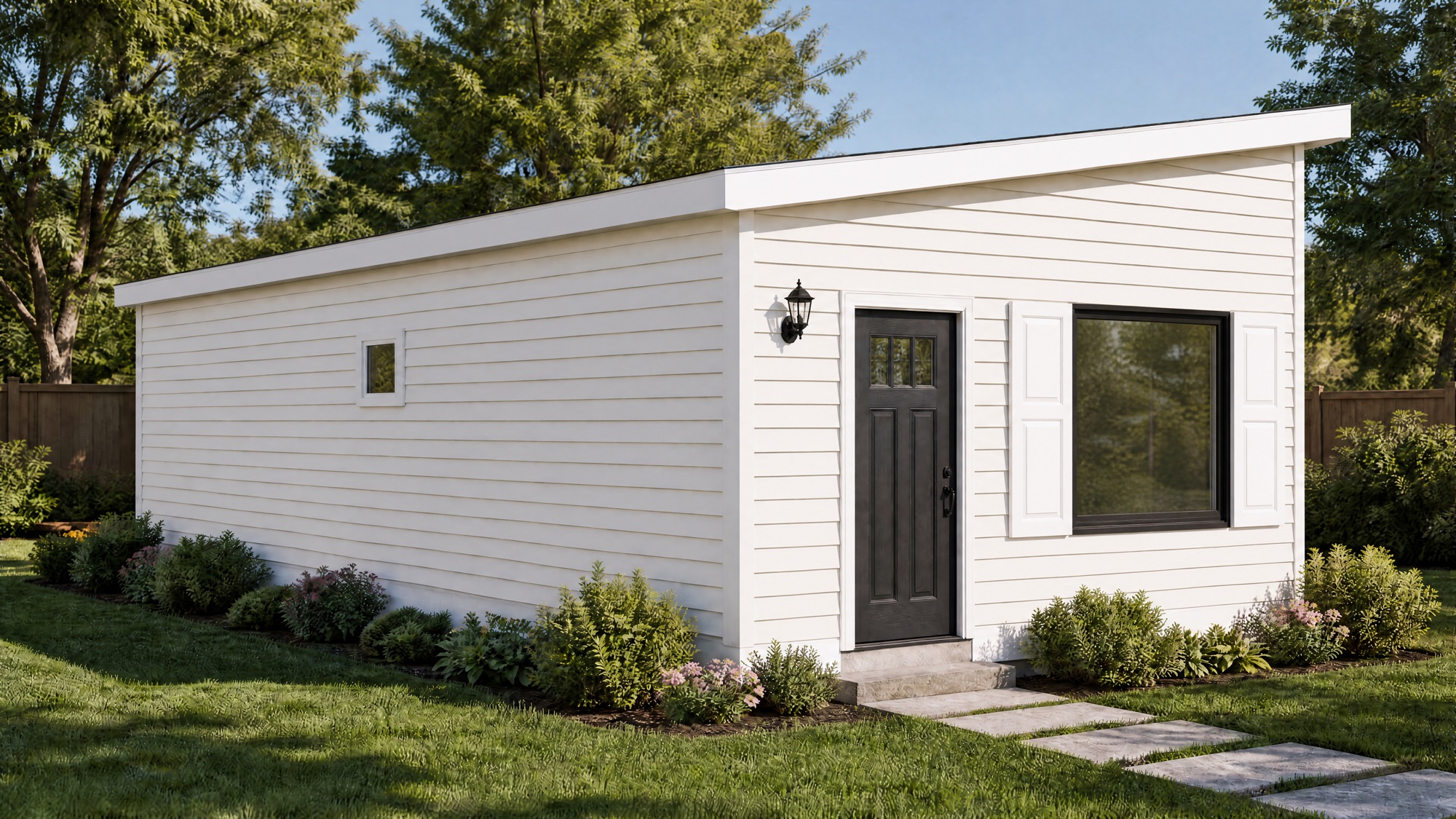 Available now
The Nest
Delivered to your parcel · 60–75 days
- PERCH-designed
- Escrow with proof
Refundable within 7 days.