Guides
Downsize Without Selling: ADU & Tiny Home Options
On this page
You don't have to sell the house to downsize.
This is the version of retirement most planners forgot to mention. The one where you build a small home on your own land, move into it, and rent out the big house instead. The kids come back for holidays. The mortgage becomes cash flow. The math starts working the way it was supposed to work.
Why this makes sense right now
The median 65-year-old American in 2025 owned a home worth $329,000 with $214,000 in equity, per the Federal Reserve Survey of Consumer Finances. Meanwhile, Employee Benefit Research Institute surveyed retirees and found that 42% report monthly expenses exceeding monthly income — the biggest line item being their existing home's mortgage or property tax.
Rental rates rose sharply. Zillow Observed Rent Index had the median single-family rent at $2,134 nationally in Q2 2026, up 47% from 2019. In coastal metros it's above $3,200. The rental income from a paid-off or nearly-paid-off primary home is the largest under-priced retirement asset in most American families.
Zoning finally caught up in 38 states. As of 2026, most single-family lots allow at least one accessory dwelling by right. The paperwork is a paperwork problem, not a political one.
The layout — the small home you'll actually live in
The "downsize without selling" build isn't a retirement home. It's a real house that happens to be small.
Design decisions that matter:
Single-story, zero-threshold. No stairs. Not to enter, not between rooms.
A real kitchen. 24" range, dishwasher, full-height fridge, prep counter with knee clearance. You are downsizing, not moving into a hotel.
One bedroom, one flex. The flex is a den for the first ten years and — if it comes to it — a caregiver's room after that. Build it as a proper bedroom (closet + egress) so the option stays open.
A bathroom sized for the next thirty years. 36" clear door, curbless shower, blocking for grab bars, comfort-height toilet.
A covered outdoor space. 100 sq ft porch minimum. This is where you'll actually live at 68.
Real natural light. Two exposures per main room. A dark unit ages faster than a bright one.
Sweet spot: 600-800 sq ft. Big enough for a life, small enough that heating, cooling, and cleaning don't become a job. Enough for a spouse to move in when the time comes without redoing the layout.
Two builders in 2026 doing this well: Wheelhaus — 400 to 800 sq ft on-foundation, aging-in-place layouts as a stock option, $130K-$260K turnkey. Escape Homes — 400 to 720 sq ft on-foundation, retirement-scale layouts, $95K-$180K turnkey.
Financing — how the rental income closes the loop
The financing structure for a downsize-without-selling build is usually one of three paths:
Cash from the sale of ONE part of your primary equity. If your primary is worth $450K with $280K in equity, a HELOC pulls $150K-$180K for the ADU without disturbing your existing mortgage. Q3 2026 HELOC rates: 8.25%-9.75%.
Fannie Mae HomeStyle Renovation loan. Rolls the ADU build into a refinance of the primary. Rate typically 0.25%-0.5% above conventional. Best when you can also lower your primary rate in the process.
Sale-and-leaseback bridge. Advanced structure. You sell your primary to an institutional buyer, lease it back at market rent, and use the proceeds to build the ADU on adjacent land (or a family member's lot). Requires a specialist attorney. Uncommon but real for high-net-worth families.
Once the ADU is built and you've moved in, the primary rents at the local market rate. In most metros, that rent covers all debt service on both structures plus a monthly surplus of $1,500-$4,500. The surplus becomes retirement cash flow indefinitely.
The quiet part.
The mistake most retirees make is thinking downsizing means selling.
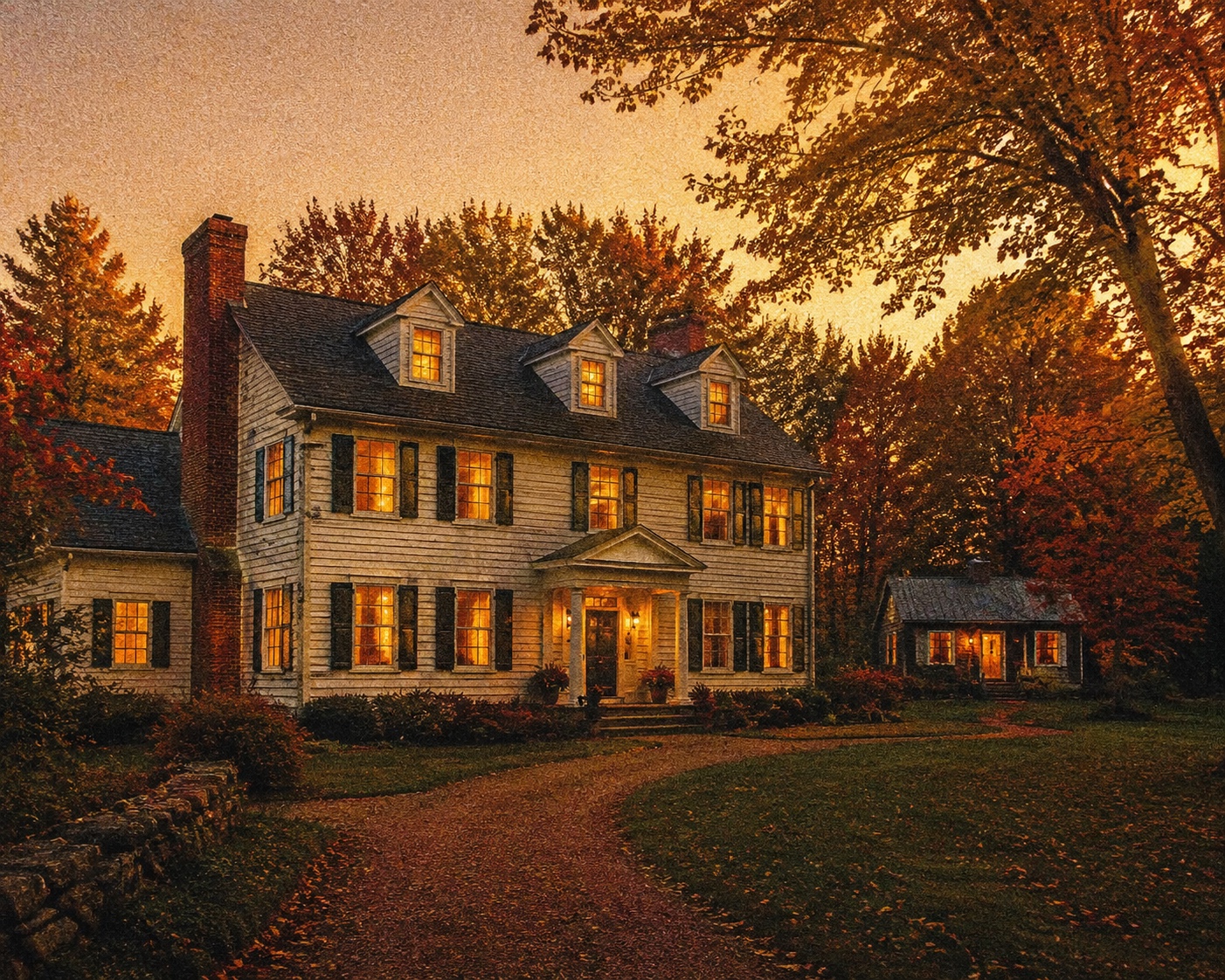
Selling triggers capital gains, breaks your neighborhood ties, and puts you in a housing market you don't want to be in as a 65-year-old buyer. Building an ADU on your own land does the opposite of all three. You stay in your community. Your grandchildren keep the same address to remember. Your daughter comes home for Christmas to the house she grew up in — she just walks across the yard to say goodnight to you.
The house you raised the kids in becomes the house you rent to a young family that reminds you of who you were in 1994. That's a good sentence to think about at 65.
Related guides
- Tiny Home Retirement Plan: A 2026 Guide — The retirement plan the industry didn't sell you
- Age in Place: ADU & Tiny Home Solutions Guide — A tiny house in the backyard, and other ways to age in place
- Aging-in-Place Home Design for Retirement — The house you build for the you at 75
Join the conversation
Comments
Reader questions get answered. Real names and a working email — that's it.