Guides
PERCH in Redfin's Guide: How to Buy a Mobile Home the Smart Way
Redfin, powered by Rocket, recently published a guide on how to buy a mobile home, and PERCH founder Cameron Jo'van was featured as an expert. This post shares the feature, adds the context we couldn't fit into a quote, and explains what both buyers and builders should check before they commit to a factory-built home.
On this page
The short version
- The sticker price on a factory-built home usually covers the house only. Foundation, utilities, site work and fees come on top.
- Decide financing first. Manufactured and modular homes are financed differently, and that choice shapes every step after it.
- The biggest red flag is a deal where nobody clearly owns the handoffs from the plant to delivery, set and move-in.
- Read the full Redfin guide for costs, financing and steps: How to Buy a Mobile Home: Costs, Financing, and Steps.
Buying a mobile home starts with three decisions: how you will finance it, where it will sit, and what the all-in cost will be once the foundation, utilities and site work are added to the home price. Get those three right before you choose a floor plan, and most of the surprises that sink a purchase never happen.
Read the Redfin Feature
We were glad to contribute to Redfin's guide. Here is how Redfin introduces the article, with the full piece linked below.
Check out the recent article we were featured in with Redfin, Powered by Rocket:
Mobile homes have recently taken the spotlight as a way for first-time homebuyers to enter the housing market, especially with provisions in the ROAD to Housing Act that are making mobile homes easier to build, place, and access. But buying a mobile home involves more than simply finding a home and a place you want to put it.
Whether you're just starting your search in Green Bay, WI or looking for homes in Dallas, TX, we'll go over how to buy a mobile home to help you decide whether it's the right option for you.
Read the full article: How to Buy a Mobile Home: Costs, Financing, and Steps | Redfin
*Original source: Redfin, Powered by Rocket.*
Mobile, Manufactured or Modular: Know the Difference
People use "mobile home" for almost any home built in a factory, but the terms mean different things to lenders, insurers and building departments. Knowing which one you are buying tells you which rules, which loans and which inspections apply.
What is a mobile home today?
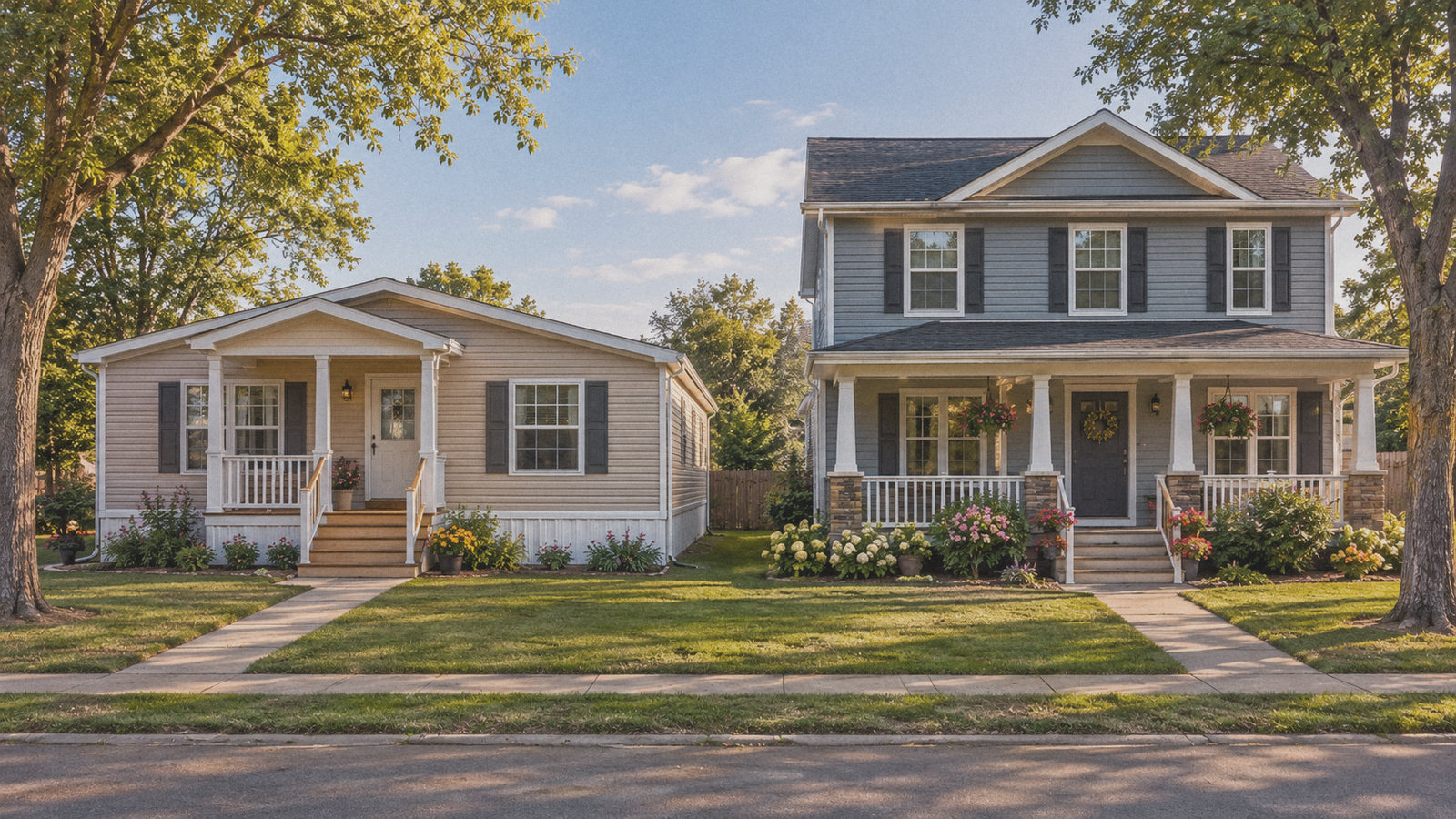
Strictly speaking, "mobile home" describes a factory-built home made before June 15, 1976, when the federal HUD code took effect. Homes built to that code since then are called manufactured homes1. In everyday speech, most buyers searching for a mobile home are shopping for a manufactured home.
How is a modular home different?
A modular home is built in sections in a plant, then delivered and set on a permanent foundation. It is built to the same state and local building codes as a site-built home, not to the federal HUD code. That difference matters for financing, appraisal and where the home is allowed to go.
Which one is right for you?
Neither is better in every case. A manufactured home can be the right fit for a community lot or a tight budget. A modular home fits buyers and builders who want a home that is financed, taxed and appraised like a conventional house. If you are comparing the two in detail, our guide on manufactured vs. modular vs. site-built homes walks through the trade-offs side by side.
The Costs a Mobile Home Price Leaves Out
The advice I gave Redfin comes down to one idea: the price you see is usually the price of the house, and not much else. Buyers who compare all-in numbers make better decisions than buyers who compare sticker prices.
What does the sticker price usually include?
For most factory-built homes, the listed price covers the home itself and sometimes delivery. Set, foundation and finish work may or may not be included, so ask for a written list of exactly what is in the number.
What do buyers often miss?
These items are commonly quoted separately, and together they can add tens of thousands of dollars:
- Foundation or piers, sized to your soil and the home's weight.
- Septic or sewer connection, which may require a perc test before you can plan anything.
- Well or water connection.
- Power run from the street or the nearest pole.
- Driveway and grading.
- Town fees, including permit, hookup and impact fees, which vary widely by county.
How do you compare offers fairly?
Before you commit to a home or a lot, get a perc test and written quotes for utilities and site work, then add them to the home price. If you are placing the home in a community, ask how the lot rent has changed in recent years and what it includes. Two homes with the same sticker price can end up very far apart once those lines are added.
Building more than one home?
Send a site plan and we'll price every home, delivered and set.
Send a site planHow to Finance a Mobile or Modular Home
Financing is the decision to make first, because it determines what kind of home and land arrangement you can actually close on. Choose a floor plan first and you may find the loan you need doesn't exist for that home.
How are manufactured homes financed?
Manufactured homes are built to the federal HUD code and can be financed as personal property or as real property, depending on the home and the land. A home on leased land in a community is often financed as personal property, sometimes called a chattel loan. A home permanently attached to land you own can often be financed as real property. Our guide to chattel financing for manufactured homes covers the rates and terms in more depth.
How are modular homes financed?
Modular homes are built to state and local building codes, typically sit on a permanent foundation, and can be financed with a construction-to-permanent loan, also known as a one-time close loan. That single loan covers the build and then converts to a standard mortgage, so you close once instead of twice.
Why does financing come before the floor plan?
The loan type decides what the lender will require: the foundation type, the title arrangement, the appraisal method and the draw schedule. Settle it first and every later choice gets easier.
The Biggest Red Flag: Unclear Handoffs
The single most common way a factory-built home purchase goes wrong is not the home itself. It is the gap between the people involved.
Who owns each step?
A factory-built home passes through several hands: the seller, the plant, the transport company, the set crew, and your local contractor for the foundation, utilities and finish work. Each handoff is a place where a delay or a defect can land on nobody's desk.
What should you get in writing?
Ask who is responsible for each step from delivery to move-in, and get the answer in writing. A clear agreement names who handles transport, who sets the home, who connects utilities, who inspects, and who fixes problems found after the set.
How do you protect your money between steps?
Pay in stages tied to finished work, and keep the money in escrow until each stage is done. That way no one is paid for a step that hasn't happened yet.
What This Means for Developers and Builders
The same lessons scale. A developer ordering 20 or 200 homes faces every issue a single buyer faces, multiplied by each lot.
Why do all-in numbers matter more at scale?
On a multi-home project, a missed site-work line or an unclear handoff repeats on every lot. Pricing each home delivered and set, and keeping site work as its own clearly owned scope, is what keeps a project budget honest.
How does PERCH help?
PERCH is America's order book for offsite housing. Developers send a site plan, we match the right home to each lot, price it delivered and set by the plant nearest the site, and hold payments in escrow until each milestone is done. Site work stays with your local team. If you're weighing the numbers, our breakdown of modular home prices shows what a delivered-and-set price includes.
Get every lot priced before you break ground.
One delivered-and-set price per home, with payments held in escrow.
Send your site plan
Join the conversation
Comments
Reader questions get answered. Real names and a working email — that's it.