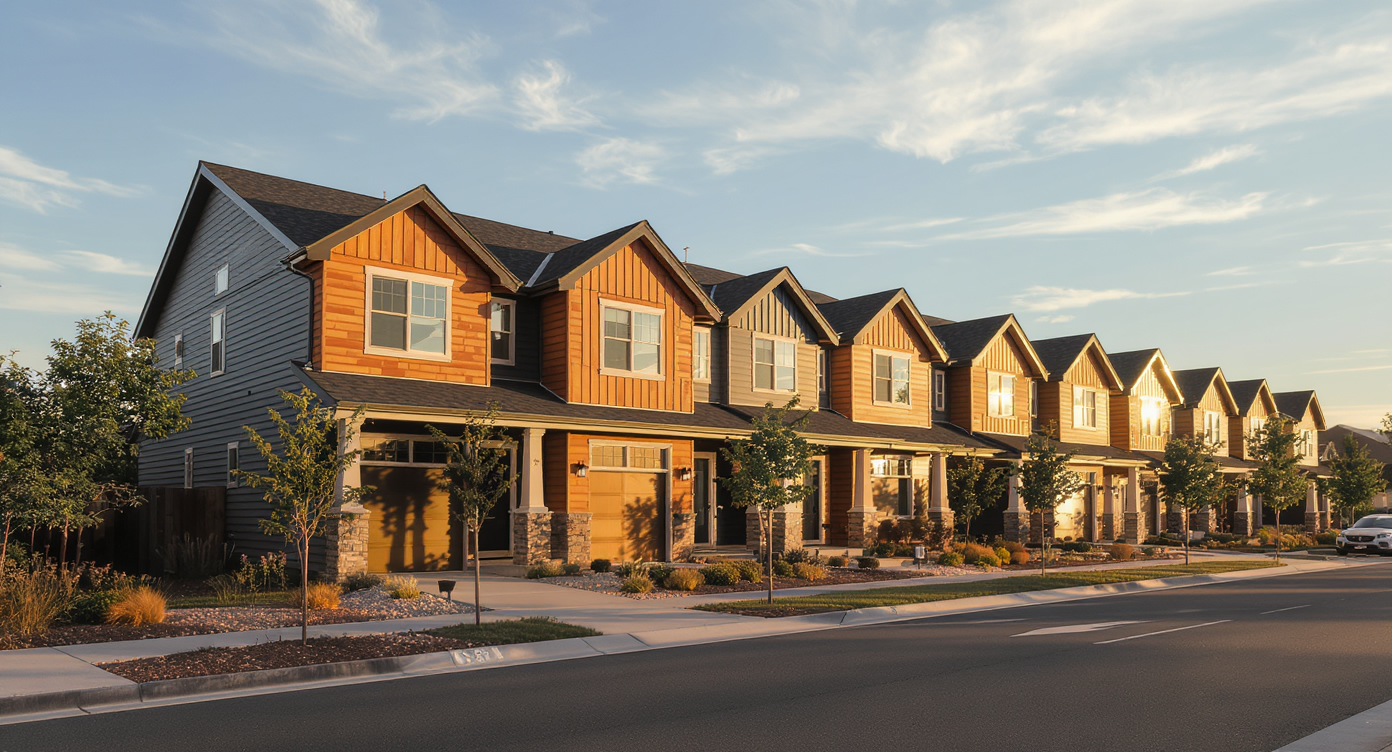
Missing Middle Multifamily Starts Backslide Amid Zoning Headwinds
Duplexes, triplexes, and small multifamily — the "missing middle" that housing wonks have spent a decade begging for — are backsliding again. New starts data shows the category losing momentum just as it looked like reform was finally sticking. Zoning headwinds, not demand, are the driver.
What the Numbers Are Actually Showing
Missing-middle multifamily starts — the 2-to-4-unit category that includes duplexes, triplexes, and fourplexes — are declining year-over-year, per HousingWire's coverage of the latest starts data. The decline is happening even as single-family remains reasonably steady and large multifamily (5+ units) shows less-severe pullback. That specificity matters, because it tells us the problem is category-structural, not macro.
The zoning story is the throughline. State-level preemption bills in Oregon, California, Washington, and a handful of others have made missing-middle "legal by right" in vast swaths of previously single-family-only zoning. But legal-by-right and permit-pulled are two different milestones. Local staff, design-review boards, and neighborhood pushback still slow projects to a crawl. Reform on paper is running six-to-twenty-four months ahead of reform in practice.
Why Factory-Built ADUs and Small-Multi Fill the Gap
Where missing-middle multifamily stalls, backyard ADUs and small factory-built structures often move faster because they don't trigger the same site-plan review process. ADU-specific state preemption (in California, Oregon, Washington, and now Virginia and Colorado) is producing measurable permit growth in a way general missing-middle preemption isn't. Buyers can check ADU legality in their state at PERCH's ADU legality references — every state has its own page — and can find an ADU builder in your state once eligibility is confirmed.
Factory-built small multifamily (duplex and triplex modular units) also skirts some of the design-review friction because the units arrive on site as finished assemblies with pre-approved state modular certification. That doesn't dodge zoning, but it dodges the two-year custom-design permitting cycle that kills small-multi economics.
The PERCH Read
We view this backslide as the strongest argument yet for treating ADU permits and factory-built small-multi as separate policy priorities from missing-middle reform generally. General preemption bills are important but slow. ADU-specific rules produce permits within one cycle. Buyers considering a small factory-built structure on their lot can run their address through The Land Check to see what their jurisdiction actually allows before signing anything.
Frequently asked
What is "missing middle" housing?
The 2-to-4-unit category — duplexes, triplexes, and fourplexes — that fits between single-family homes and larger apartment buildings. It's called "missing" because zoning has systematically prevented it from being built.
Why isn't zoning reform translating to starts?
State-level preemption passes on paper, but local staff, design-review boards, and neighborhood pushback still slow projects. The gap between legal and permitted is typically 6-24 months.
What can buyers do while missing-middle reform catches up?
ADU permits move much faster where state ADU preemption exists (California, Oregon, Washington, Virginia, Colorado). Factory-built ADUs and small modular multifamily can also dodge some of the design-review friction that kills custom small-multi.