Shelter Costs Now Drive Inflation, Highlighting the Need for Housing Alternatives
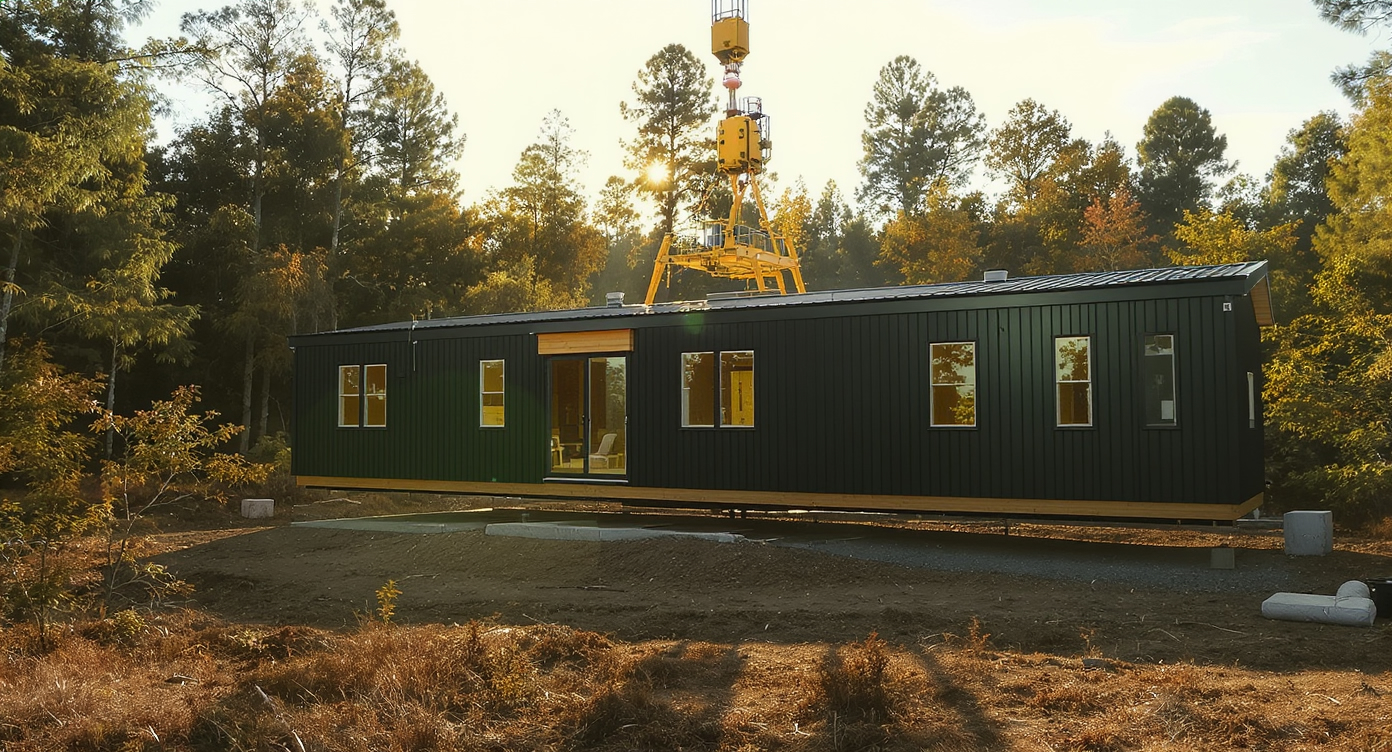
Even as overall inflation shows signs of easing, the cost of housing has become the primary force driving price increases. This shift puts a durable strain on household budgets and reinforces the value of transportable homes, which can offer a more predictable path to ownership.
The Shifting Drivers of Inflation
Recent economic data reveals a notable change in the composition of inflation. While headline inflation has moderated for the second month in a row, thanks to falling gasoline and diesel prices, the underlying pressure has shifted, per reporting from Eye on Housing. Shelter has now resumed its role as the largest driver of inflation.
The cost of housing now accounts for one-third of the annual increase in the consumer price index and more than two-thirds of the monthly increase. This means that even as Americans find some relief at the gas pump, their single largest expense—keeping a roof over their heads—continues to grow more costly at an accelerated rate. This dynamic indicates that the search for affordable and stable housing is becoming more, not less, critical.
Why It Matters for Buyers
For prospective homebuyers, this economic reality translates into direct and sustained financial pressure. The traditional housing market, characterized by bidding wars, supply shortages, and fluctuating construction costs, is a significant contributor to this inflationary pressure. Renters face similar uncertainty, with lease renewals often bringing substantial price hikes that reflect the broader market.
This environment makes it exceptionally difficult for individuals and families to plan for the future. In contrast, the transportable homes industry—including modular, manufactured, and tiny homes—can offer a degree of cost control that is elusive in site-built construction. By building homes in a controlled factory environment, builders can manage labor expenses, purchase materials in bulk, and adhere to predictable timelines, translating to more stable pricing for the end buyer. This structural advantage provides a powerful alternative for those seeking to escape the inflationary cycle of the conventional housing market.
The PERCH Read
We see this data as a clear signal of a fundamental shift in the housing landscape. When the cost of traditional shelter becomes the main engine of inflation, it is no longer a cyclical issue but a structural one. It validates the need for a more flexible, accessible, and nationwide system for housing—what we are building at PERCH.
This is the core of our "Carvana for transportable homes" mission. The rising cost of shelter is expanding the market for homes that can be built with greater efficiency and delivered directly to a buyer's land. Our role is to build the marketplace and logistics layer that makes finding, purchasing, and transporting these homes a seamless process. As conventional housing becomes less attainable, the demand for a viable, nationwide alternative will only grow.
Frequently asked
What does "shelter inflation" include?
The shelter component of the Consumer Price Index (CPI) is calculated using costs associated with primary residences. This includes rent paid by tenants and an estimate known as "owners' equivalent rent," which represents the amount a homeowner would have to pay to rent their own home.
Are modular and prefab homes immune to inflation?
No form of construction is entirely immune to inflation, as material and labor costs can rise across the board. However, the factory-built process allows for greater cost control, bulk purchasing of materials, and reduced waste, which can insulate a project from the price volatility often seen in on-site construction.
How does a high-inflation environment affect home financing?
Sustained inflation can lead central banks to raise interest rates, which makes mortgages and other loans more expensive. However, because transportable homes can often be acquired at a lower total cost than comparable site-built homes, the principal loan amount may be smaller, potentially offsetting some of the impact of higher rates.