Modular Builders Gain an Edge as Traditional Construction Backlog Declines
A new report indicates the pipeline of future work for traditional construction firms is shrinking, signaling a potential slowdown for the site-built industry. For buyers and builders in the factory-built housing sector, this market shift creates a clear opening for more predictable and efficient construction methods to gain ground.
A Contraction in Future Work
The construction industry's forward-looking pipeline of work has contracted, according to data from Associated Builders and Contractors. The group’s Construction Backlog Indicator—a measure of work that firms have under contract but have not yet performed—recently fell to its lowest level since January, as reported by Construction Dive. This decline suggests that new project signings are not keeping pace with the work being completed.
Anirban Basu, ABC's chief economist, noted that while certain high-growth segments like data center construction remain robust, this strength may be obscuring a more widespread softness in contractor bookings. A shrinking backlog is a significant metric for the industry, as it points toward future revenue and can influence builder confidence and investment in new capacity. For an industry reliant on a steady flow of projects, a diminishing pipeline signals a more competitive and uncertain environment ahead.
Why It Matters for Builders
For builders operating within the traditional, site-built model, a shrinking market backlog means heightened competition for a smaller pool of projects. This can lead to bidding wars that erode profit margins and create financial instability. The uncertainty makes it more difficult to plan for labor needs, manage equipment, and maintain a steady operational rhythm.
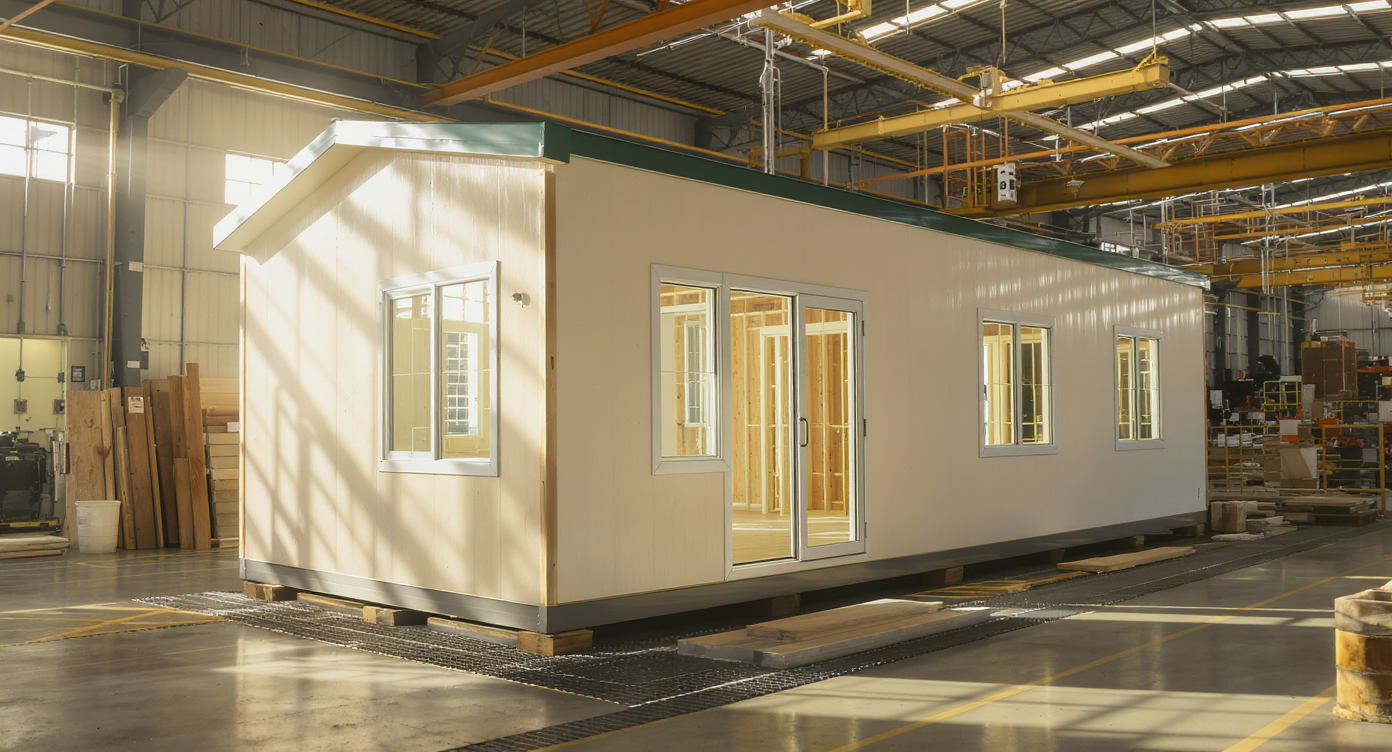
This is precisely the environment where factory-based builders can demonstrate their structural advantages. Because modular, prefab, and container homes are built in a controlled environment, their production schedules are insulated from many of the variables that plague site-builders, such as weather delays and localized labor shortages. This allows them to offer buyers greater certainty on both delivery timelines and final cost. In a market where traditional construction is showing signs of volatility, the predictability of off-site construction becomes a powerful selling point.
The PERCH Read
We see this market data not as a negative signal for housing, but as evidence of a fundamental shift that favors a better way of building. The volatility and uncertainty inherent in the traditional construction model are becoming more apparent. For home buyers, the risk of project delays and cost overruns is a major source of anxiety—anxiety that the factory-built model is uniquely positioned to solve.
This is why we are building the Shopify for modular builders. In a fluctuating market, builders need to control their own narrative and connect directly with buyers who are seeking stability. The PERCH platform provides the tools for builders to manage their reputation, showcase their finished work, and reach a nationwide audience that is increasingly looking for a more predictable path to homeownership. This market slowdown for traditional construction is an opportunity for our builders to prove their model is the future.
Frequently asked
What is a construction backlog?
A construction backlog represents the total value of work a construction company has signed contracts for but has not yet completed. It serves as a key indicator of the health of the industry and an individual firm's future revenue stream.
Why is a shrinking backlog a concern for traditional builders?
A shrinking backlog means that new projects are not being signed at a rate sufficient to replace completed work. This leads to increased competition for fewer jobs, potential downward pressure on pricing, and greater uncertainty in business planning and forecasting.
How does this trend affect home buyers?
For buyers considering a traditional site-built home, this trend could signal a more volatile market with less predictable builders. Conversely, it highlights the stability of the modular and prefab sectors, which can often provide more reliable timelines and fixed costs, making them an attractive alternative.