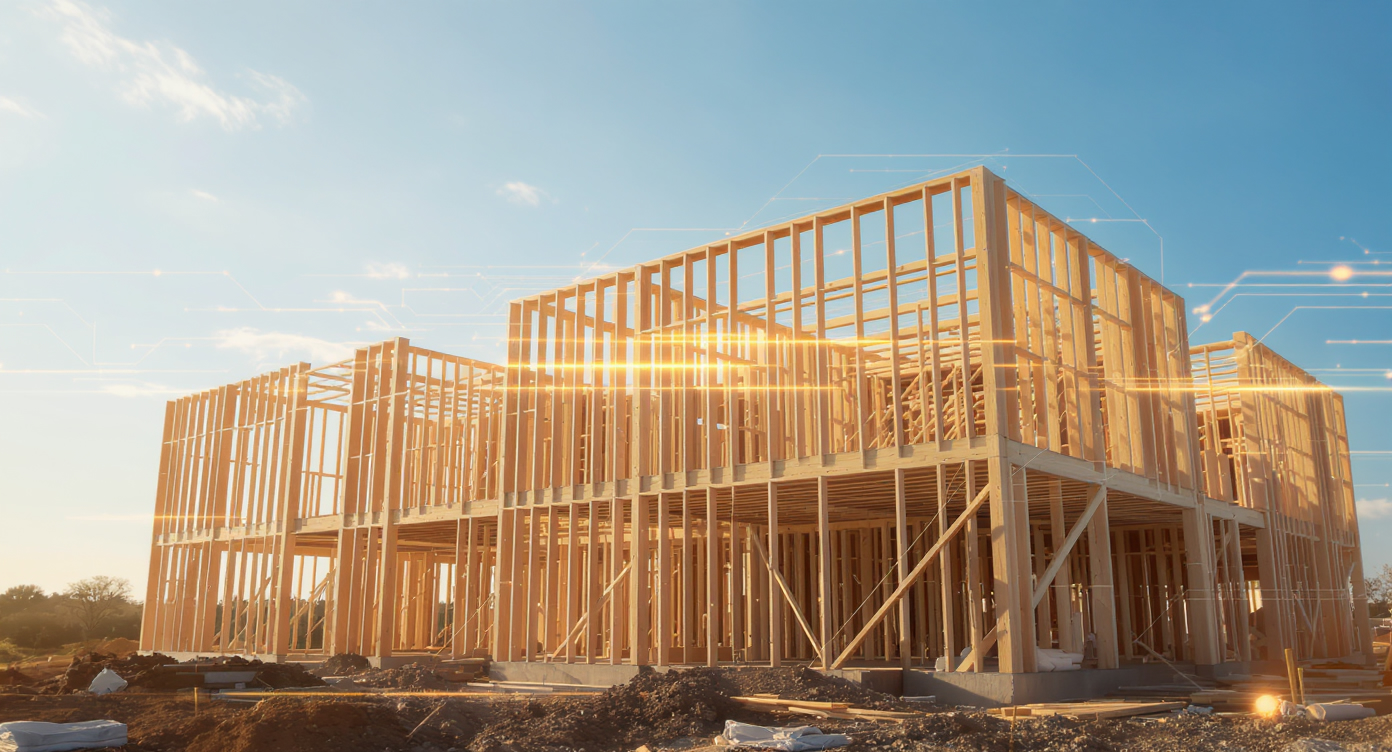
Labor Market Shrinkage Points to AI's Role in Construction's Future
A significant contraction in the labor market, particularly among older workers, is prompting discussions about the integration of artificial intelligence within the construction sector. This demographic shift presents both challenges and opportunities for industries facing workforce shortages.
Shrinking Workforce Dynamics
Economist Joe Brusuelas has noted a substantial decrease in labor market participation, with a particular emphasis on individuals aged 65 and older. This demographic shift, described as "historic," suggests a notable segment of experienced workers is retiring or otherwise exiting the workforce. This trend has implications across various industries, including construction, which has historically relied on a robust and experienced labor pool.
This pullback from employment is occurring as the demand for technological solutions, such as artificial intelligence, is anticipated to grow. The combination of fewer available workers and an increasing reliance on technology creates a complex scenario for industries needing to maintain or increase output. For construction, this could mean a greater emphasis on AI-driven project management, design optimization, and even on-site automation to compensate for labor gaps.
Broader Implications for Housing Construction
The construction sector, a cornerstone of residential development, is particularly sensitive to labor availability. As older, experienced tradespeople retire, the industry faces a deficit in skilled workers. This shrinkage, as reported by industry publications, underscores the urgency for construction firms to explore innovative solutions. Artificial intelligence offers the potential to streamline processes, improve efficiency, and potentially bridge some of these labor gaps.
For potential homebuyers and homeowners, this could translate into changes in how homes are built and delivered. AI-assisted design tools can accelerate planning, while AI-powered project management can help keep timelines predictable. Furthermore, automation and robotics, guided by AI, may eventually play a larger role in certain construction tasks, potentially influencing build times and costs. The integration of these technologies is becoming less a matter of if, and more a matter of when and how extensively.
The PERCH Read
We observe that the demographic trends impacting the broader labor market are directly influencing the construction industry's capacity. The retirement of experienced workers, coupled with the increasing sophistication of AI, suggests a future where technology is not just a supplementary tool but a fundamental component of how homes are conceived, designed, and built. It is essential for all stakeholders in the housing ecosystem to understand and adapt to these evolving dynamics.
We will be closely monitoring how AI is implemented within modular and prefab construction processes. The efficiency gains promised by AI could further solidify the advantages of factory-built homes, potentially making them an even more attractive option for consumers seeking predictable timelines and quality craftsmanship in an evolving housing market.
Frequently asked
What does "historic labor market shrinkage" mean for construction?
It signifies a notable decrease in the number of available workers, particularly among older demographics who often possess significant experience in skilled trades. This trend can lead to labor shortages within the construction industry.
How might AI help address labor shortages in construction?
AI can assist in optimizing project planning, improving design efficiency, managing logistics, and potentially controlling automated construction equipment. These applications can help compensate for a reduced human workforce and boost overall productivity.
Will AI make homes more expensive to build?
The initial investment in AI technology and training may be significant. However, over time, AI's ability to streamline processes, reduce errors, and improve efficiency could lead to cost savings in construction, potentially benefiting consumers.