Baltimore Confronts Growing Challenge of Empty Lots
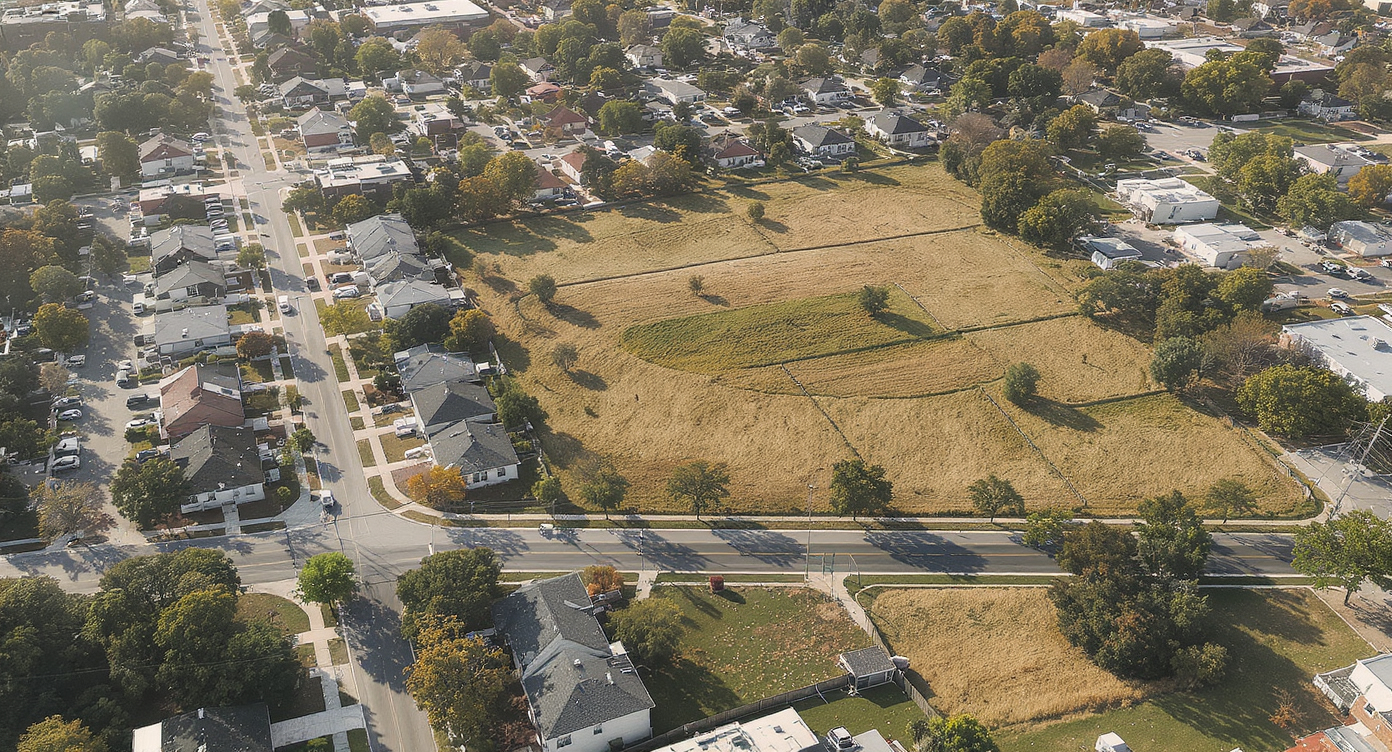
Baltimore’s initiative to clear vacant buildings may inadvertently exacerbate the city's existing problem of nearly 21,000 empty lots, creating new challenges for urban land use and housing development. This situation highlights a complex interplay between demolition efforts and the future potential of underutilized urban parcels, as reported by thebanner.com.
The Paradox of Clearing Vacant Properties
Mayor Brandon Scott's administration has set a goal to eliminate vacant buildings within Baltimore. While this aims to improve neighborhood aesthetics and safety, the banner.com reports that the process of demolishing these structures could contribute to an already substantial inventory of empty lots. The city is grappling with how to manage these parcels, which often require significant investment to prepare for new construction and can become magnets for blight if left unattended.
The sheer volume of vacant lots presents a significant hurdle. These spaces, often remnants of past development or unbuilt parcels, require careful consideration regarding their future use. Without a clear strategy, they can remain unproductive, impacting property values and neighborhood vitality. The city's challenge lies in developing a comprehensive approach that not only addresses existing vacant buildings but also plans for the future of the land they leave behind.
Implications for Urban Housing Development
The proliferation of empty lots in Baltimore presents both a challenge and an opportunity for urban housing development. For prospective builders and homeowners, understanding the zoning and potential of these parcels is crucial. While a vacant lot might seem like a blank canvas, navigating the complexities of ownership, title issues, and the cost of site preparation can be substantial. This situation calls for innovative solutions, potentially including modular or prefabricated construction methods that can offer more predictable build times and costs on challenging urban infill sites. Buyers considering properties in such areas can run the address through The Land Check to gain initial insights into zoning and potential restrictions before committing to a purchase or project.
Furthermore, the increasing number of empty lots raises questions about the city's capacity to absorb new residential units and the infrastructure required to support them. Successful redevelopment will likely depend on strategic partnerships between the city, developers, and community stakeholders. The long-term vision for these parcels must go beyond simply clearing derelict structures; it must involve a plan for creating vibrant, livable spaces that contribute positively to the urban fabric.
The PERCH Read
We observe a recurring theme in urban centers: the intricate dance between demolition and the subsequent management of land. Baltimore's situation is a clear illustration of how well-intentioned efforts to remove blight can create new, albeit different, challenges. The focus must shift from merely clearing sites to strategically planning for their productive reuse, particularly for housing. For those looking to build in such environments, understanding the full lifecycle of land development, from initial assessment to final construction, is paramount. We encourage readers to explore PERCH's buying guides for comprehensive advice on navigating the complexities of residential development, especially in infill and urban renewal areas.
Frequently asked
How can vacant lots be repurposed for housing?
Vacant lots can be repurposed for housing through various means, including the construction of new single-family homes, accessory dwelling units (ADUs), or even small-scale modular developments. This often requires navigating local zoning regulations, obtaining permits, and addressing site preparation costs such as utility connections and grading.
What are the challenges of building on vacant urban lots?
Building on vacant urban lots can present challenges such as unknown subsurface conditions, existing utility conflicts, restrictive zoning, historical preservation requirements, and the need for extensive site cleanup. Acquisition and title issues can also be complex.
How does demolition affect the number of vacant lots?
When a vacant building is demolished, the property becomes a vacant lot. If there isn't a plan for immediate redevelopment or sale, this can contribute to or increase the number of empty parcels in a given area, as is the concern in Baltimore.