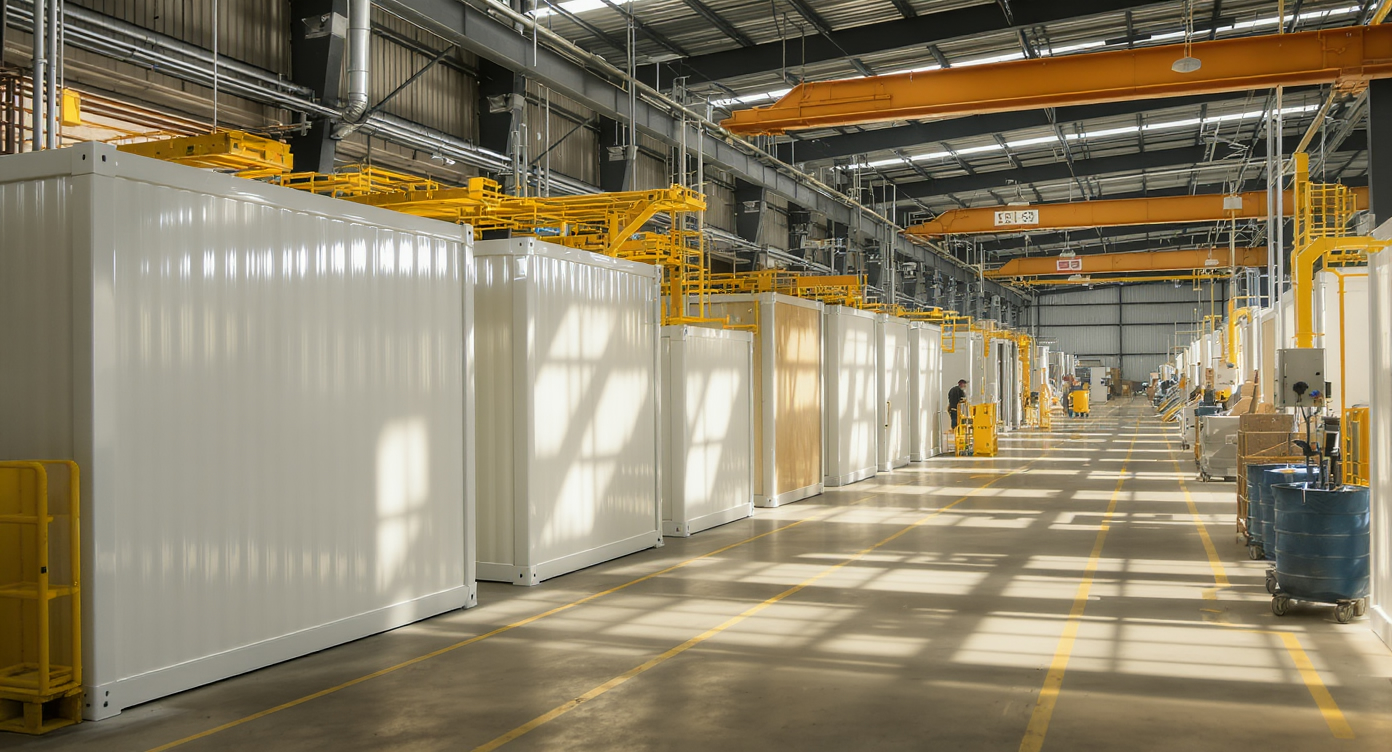
$10 Million Award Fuels Modular Home Construction in Bay Area
A significant funding injection from the Housing Accelerator Fund is set to accelerate the development of 430 new homes, leveraging modular construction techniques to address housing needs in the Bay Area. This initiative underscores a growing reliance on offsite building methods to increase housing supply and potentially lower costs.
Funding to Support 430 Modular Residences
The Housing Accelerator Fund has committed $10 million to support the creation of 430 residential units, with a specific emphasis on utilizing modular construction. This funding is channeled through the Bay Area Housing Finance Agency (BAHFA), per the Housing Accelerator Fund's announcement. The aim is to streamline the development process for these homes, making them available to residents in the region. The investment is expected to facilitate the construction of a mix of housing types, contributing to the overall housing stock.
The allocation of these funds is a strategic move to overcome common barriers in residential development, such as lengthy timelines and unpredictable costs associated with traditional onsite building. By focusing on modular and prefabricated methods, the project intends to achieve greater predictability in both construction schedules and expenses. This approach allows for factory efficiencies and controlled environments, which can translate into more affordable and accessible housing options for a wider range of individuals and families.
Why This Matters for Homebuyers and Builders
This substantial investment in modular housing by a regional finance agency signals a critical shift in how housing development is perceived and supported. For prospective homeowners, it suggests an increasing availability of factory-built homes that may offer more competitive pricing and faster move-in times compared to conventional construction. This can be particularly impactful in high-cost areas like the Bay Area, where affordability remains a significant challenge. Buyers can explore options and preview a home for your lot to visualize potential placements.
For builders and manufacturers in the modular sector, this funding represents an endorsement and a significant opportunity. It validates the scalability and efficiency of offsite construction and can encourage further innovation and capacity building within the industry. Such projects can lead to increased demand for skilled labor in factories and a more robust supply chain for prefabricated components, ultimately benefiting the entire ecosystem of residential development. Builders interested in participating in such initiatives can apply to the certified network to connect with funding and development opportunities.
The PERCH Read
We view this development as a compelling indicator of the mainstreaming of modular construction. The significant capital being deployed by established financial entities like the Housing Accelerator Fund underscores a growing confidence in the ability of offsite methods to deliver housing at scale. This is precisely the kind of momentum that can reshape housing markets, making homeownership and stable housing more attainable. We will be watching closely to see how this project unfolds and what lessons can be applied elsewhere. Readers seeking to understand the broader landscape of housing costs and yields can explore PERCH's buying guides for in-depth analysis.
Frequently asked
What is modular construction?
Modular construction involves building home components, or modules, in a factory setting. These completed sections are then transported to the building site and assembled. This method allows for greater quality control and can reduce construction timelines compared to traditional onsite building.
How does this funding impact housing affordability?
By investing in modular construction, the aim is to reduce development costs and timelines. These savings can potentially be passed on to homebuyers, making housing more affordable in a region where costs are typically very high.
What are the next steps for this project?
While the funding has been awarded, the specifics of site selection, design, and the timeline for groundbreaking and completion will be determined by the project developers in conjunction with BAHFA. Further announcements are expected as the project progresses.