Guides
Foldable Homes for Sale: The 2026 Buyer's Guide
The foldable home category in 2026 is narrower than the search-interest suggests. Neo Smart Living leads US delivery infrastructure; Boxabl leads publicity. Several adjacent expandable operators serve overlapping use cases. Here's the buyer's guide.
On this page
The foldable home category in 2026 has matured into a small but growing slice of the US prefab market, dominated by a handful of operators actually shipping units to US addresses and several others that have captured search attention without proportional delivery volume. The buyer reality is that the for-sale inventory clusters around a few verified manufacturers with dealer networks and documented installation history — not the headline names with multi-year reservation backlogs. Several adjacent categories (expandable container, prefab modular) are also marketed as "foldable" even when the deployment mechanism is structurally different. This guide walks through what's actually available for sale in 2026, who's actually shipping, and how to evaluate a foldable home purchase against the realistic alternatives.
If you are looking for a foldable home for sale in 2026, the question is not "where do I buy one?" but "which operator is actually shipping units to US buyers in your region — and which alternatives in the adjacent expandable category may fit your use case better?"
What "Foldable" Actually Means
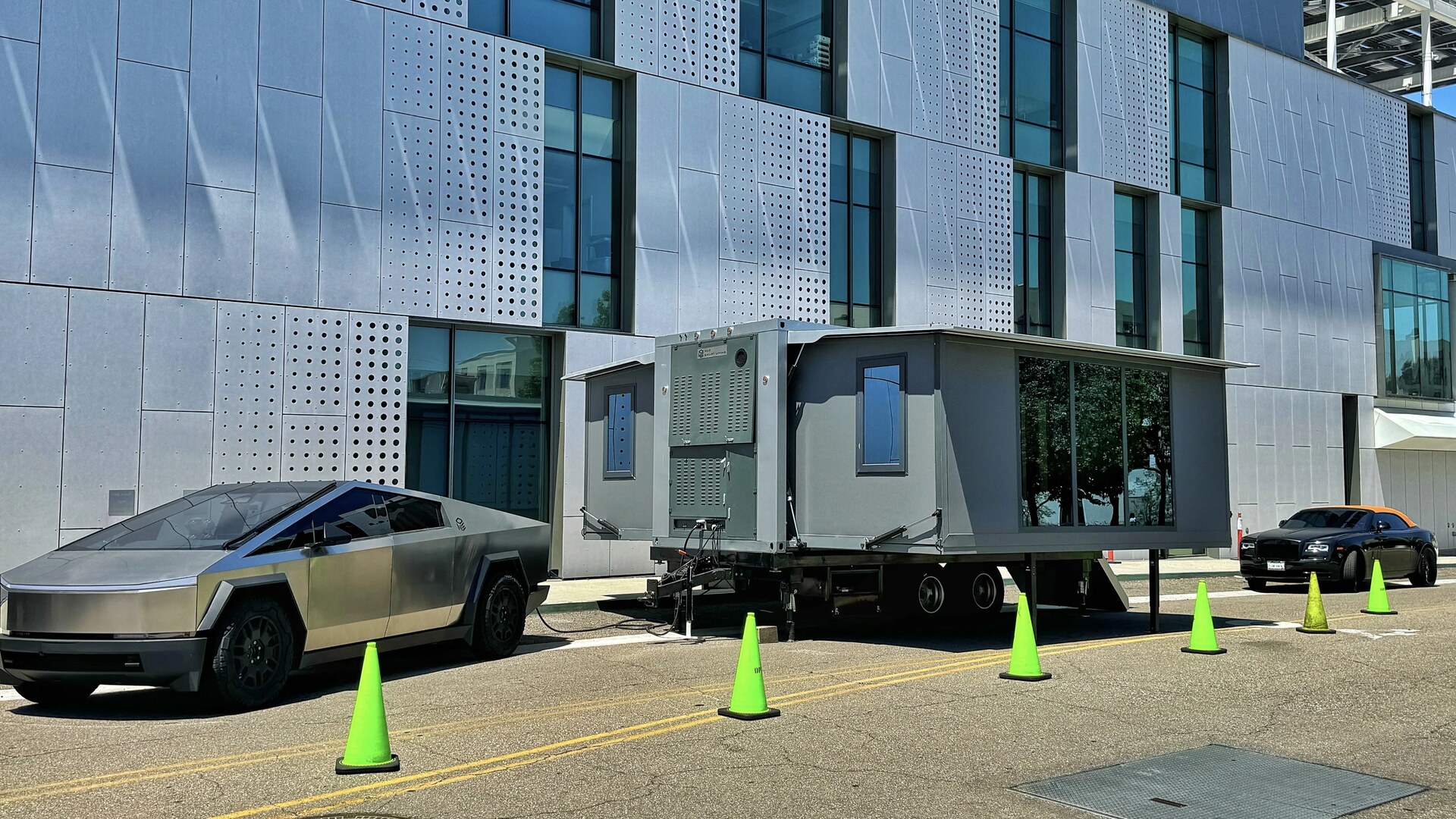
A foldable home, in the strict technical sense, is a factory-built unit constructed around a hinged-panel structural system. The factory builds the unit in a deployed configuration, then folds the walls, ceiling, and (in some designs) the floor down to a transport configuration that ships at a fraction of the deployed volume. On site, the folded unit is positioned on its foundation and mechanically unfolds — typically through a sequence requiring 30 to 90 minutes of unfolding work plus several days of locking, sealing, utility connection, and interior completion.
The mechanism distinguishes a true foldable from two adjacent categories. An expandable container home ships at standard shipping-container dimensions and mechanically slides out side wings rather than unfolding. A prefab modular home ships in its final configuration and is set on a foundation rather than deployed from a transport configuration.
In practice, several operators serve overlapping buyer intent across these mechanisms. Buyers searching for a "foldable home" often find their best fit with an operator producing rapid-deploy prefab or hybrid expandable-foldable configurations rather than with the strictest definition of foldable.
Who Actually Sells Foldable and Rapid-Deploy Homes in the US in 2026
The verified US-market list is meaningfully shorter than the marketing impression suggests.
Neo Smart Living
Neo Smart Living, headquartered in Chino, California, produces a range of factory-built prefab units across the Capsule, Cube, and Trio product series. The product lines are designed for rapid deployment with mechanical expansion and unfolding elements, US-spec compliance, and dealer-network distribution.
Neo Smart Living's positioning bridges the foldable and expandable categories — the products incorporate rapid-deploy and panel-system construction that fits the broader foldable buyer intent. Distribution through US dealers, financing partnership through Hearth, and an established sales-to-delivery process distinguish Neo Smart Living from operators still in the reservation-only phase. The company serves the backyard ADU, residential primary, and rental-investment segments.
For buyers wanting a US-market operator with documented delivery infrastructure in 2026, Neo Smart Living is among the most-accessible options in the foldable and rapid-deploy category.
Boxabl
Boxabl, founded in 2017 by Paolo Tiramani and his son Galiano Tiramani and based in Las Vegas, Nevada, is the most-publicized US foldable operator. The flagship Casita product unfolds to approximately 375 square feet of deployed interior, ships at approximately 8.5 feet tall and 20 feet wide in transport configuration, and includes a basic kitchen, bath, and living space at deployment.
Boxabl announced the smaller Baby Box product at approximately 120 square feet for a meaningfully lower retail price target. The company has prepared for a Nasdaq listing and has publicly disclosed plans to scale production capacity.
Boxabl's reservation and waitlist dynamics have historically been complex — early reservations have not always converted to deliveries on the publicly-announced timelines, and the gap between marketing-announced and actual buyer delivery has been a real factor in the company's coverage. Buyers considering Boxabl in 2026 should verify the current delivery timeline directly with the company before financial commitment.
Adjacent Expandable Operators Serving Foldable Buyer Intent
Several expandable container operators serve a buyer use case that overlaps with the foldable category. Backcountry Containers, Bob's Containers, and AnchorWrx — all Texas-based — produce custom container-based homes with rapid-deploy and expandable elements. Alternative Living Spaces, also based in Las Vegas, produces container-based units with rapid-deployment characteristics that some buyers shop alongside true foldables.
These operators produce different products than the strict foldable category, but the buyer use cases overlap significantly. A buyer drawn to the foldable category for fast deployment, factory-built quality, and compact transport often finds an operator like Neo Smart Living, an expandable container manufacturer, or a hybrid configuration a workable fit with broader manufacturer selection and shorter wait times than the foldable-only options.
Workforce and Disaster-Response Foldable
A larger market for foldable units exists outside the residential-buyer category in workforce housing, disaster response, and rapid-deployment commercial applications. Operators serving these markets typically do not sell to individual residential buyers, though their products occasionally surface in consumer marketplaces.
What a Foldable Home Actually Costs Delivered in 2026
For a Neo Smart Living, Boxabl Casita, or comparable US-market foldable or rapid-deploy home:
| Cost component | Typical 2026 range |
|---|---|
| Factory unit ex-factory | $48,000 to $95,000 |
| Logistics and inland freight | $4,500 to $9,500 |
| Permanent foundation and anchors | $14,500 to $28,000 |
| Utility connections (water, sewer or septic, electric) | $9,500 to $24,000 |
| Site prep, grading, driveway, access path | $7,500 to $16,000 |
| Permits, inspections, certificate of occupancy | $1,800 to $5,500 |
| Deployment and locking installation | $3,500 to $9,500 |
| Regional code upgrades (wind, snow, seismic) | $0 to $9,500 |
| Interior completion (where not factory-included) | $0 to $18,000 |
Delivered, permitted, and habitable on private US land, the realistic all-in cost falls between approximately $95,000 and $215,000 for a typical 300-to-450-square-foot deployed unit. Smaller products like Boxabl's Baby Box, at approximately one-third the deployed footprint, land lower on the unit cost but proportionally higher on the per-square-foot total because parcel-driven costs (foundation, utility, site work, permits) do not scale linearly with unit size.
The Three Buyer Profiles That Fit the Category
Profile 1 — The ADU Buyer
The buyer who already owns a primary residence, wants to add an ADU on the parcel, and is comparing rapid-deploy options against traditional site-built and conventional modular ADUs. The category fits this profile well because the deployed footprint typically matches ADU framework limits in most US jurisdictions, and the compact transport configuration permits delivery to parcels with constrained access where larger units cannot reach.
Operators with established US dealer infrastructure — Neo Smart Living, plus the adjacent expandable container operators — typically serve this profile most reliably. Buyers with timeline flexibility can also consider Boxabl, with the caveat that delivery timelines should be verified directly with the manufacturer before commitment.
Profile 2 — The Cost-Conscious Primary Residence Buyer
The buyer seeking the smallest legal primary residence at the most accessible price point, willing to deploy on rural acreage where the unit's deployed footprint meets local minimum-dwelling thresholds. Both Neo Smart Living and Boxabl Casita-scale units fall below the minimum primary-residence size in many US metropolitan jurisdictions but qualify in unincorporated rural counties with permissive zoning. The Trio configurations from Neo Smart Living offer larger deployed footprints that may qualify in more jurisdictions.
Profile 3 — The Hospitality or Short-Term Rental Operator
The commercial buyer placing one or more units on a hospitality site (cabin rental, glamping operation, short-stay accommodation) where the unit's deployment speed and standardized configuration matter for unit economics. This is the configuration where the category's volume-economics arguments are most directly realized. Operators that ship in volume with predictable timelines are essential for this profile — making Neo Smart Living's established US distribution particularly relevant.
How to Evaluate a Foldable Home Listing in 2026
Five questions separate a credible foldable listing from a marketing claim.
First, who is the manufacturer, and what is the manufacturer's actual delivery history? Marketing-stage reservations are common in the category; verifiable delivery to US addresses with names of recipient buyers (with their permission) is the gate. Ask the manufacturer for references to recent buyers in the last six months.
Second, what is the documented US compliance package? IBC or IRC structural certification, applicable wind / snow / seismic load ratings, manufacturer's data plate. Without these, the unit cannot be permitted as a US primary residence.
Third, what is the realistic delivery timeline from contract to on-site? The publicly-marketed timeline and the realistic buyer timeline have diverged sharply for some operators in this category. Get the manufacturer's current realistic estimate in writing.
Fourth, what is the deposit and refundability structure? Reservation deposits in the category have not always been fully refundable in cases of extended delivery delay. Read the deposit terms carefully before committing funds.
Fifth, who handles delivery, installation, and post-sale warranty support in your specific US market? A manufacturer with no US dealer presence in your region typically means longer warranty cycles and more buyer-responsibility on installation issues. Neo Smart Living's dealer-network distribution model addresses this directly for buyers in their dealer territories.
PERCH was built precisely to address the verification layer that the foldable category requires. The marketplace surfaces verified operators with documented delivery track records, US-market compliance, and post-sale support infrastructure in each major US region.
Ready to find a verified foldable or rapid-deploy home for sale? Join the PERCH waitlist → for early access to verified inventory and concierge buyer support.
Join the conversation
Comments
Reader questions get answered. Real names and a working email — that's it.