
The Scioto River running through downtown Columbus with the Broad Street bridge and the towers behind it

ColumbusModular homes for the developers building it.

Send a site plan. Get back only the standard homes that fit, priced through delivery and set.

Send your site plan

Photo: Sixflashphoto, CC BY-SA 4.0

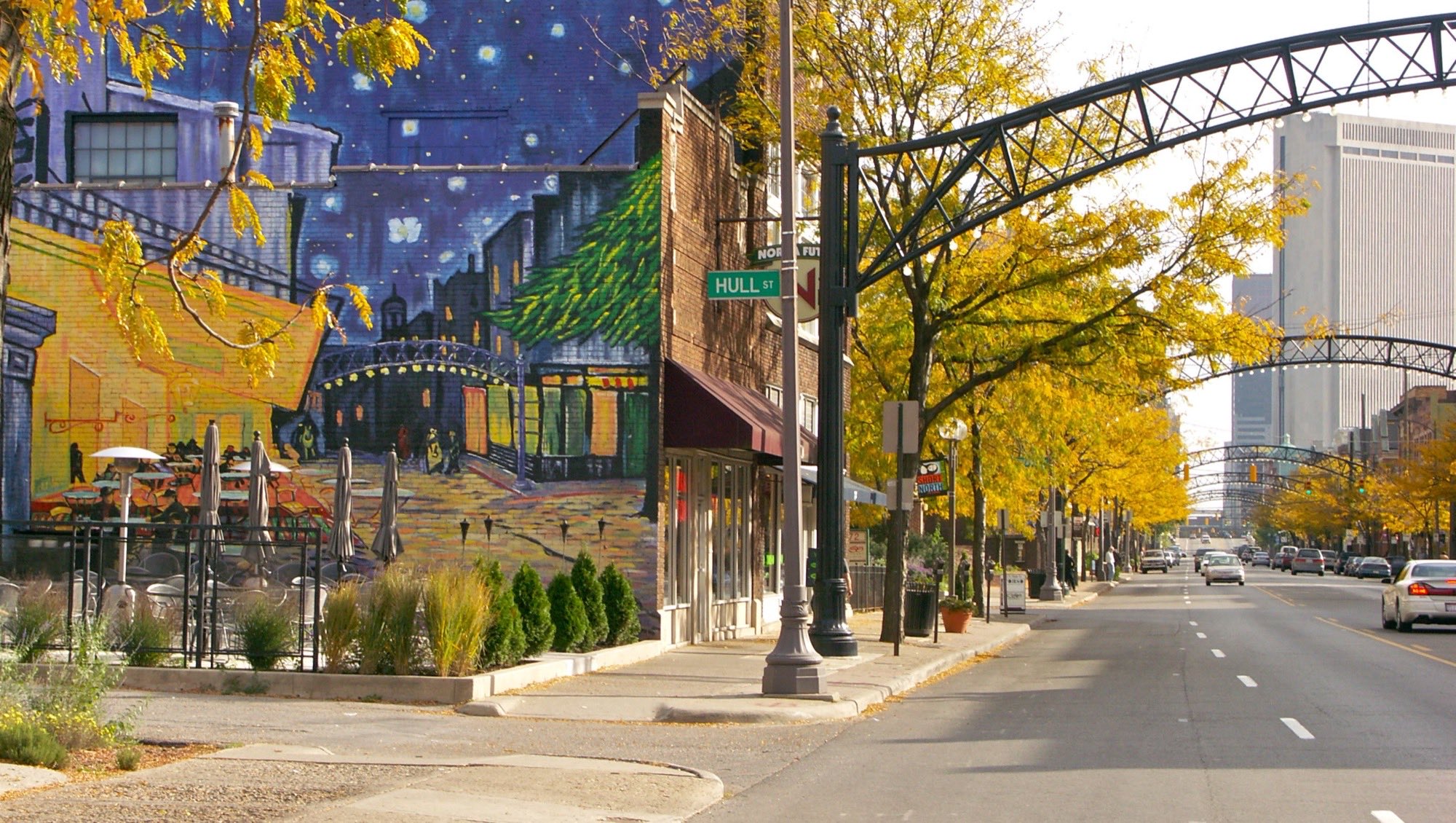
Shops, bars and brick storefronts lining High Street in the Short North district of Columbus
The Short North, High Street. Photo: Scott Teresi, CC BY-SA 2.0

The city

The fastest-growing big metro in the Midwest.

The Columbus metro reached 2,242,028 people1 in 2025, adding more than 21,000 residents1 in a single year. That is a 1.0 percent1 growth rate against 0.5 percent1 nationally, and 53 percent1 of all of Ohio's population growth landed inside this one metro.

The region is not short of approved plans. It is short of finished homes. Permits for new residences across the Columbus area came to 10,4747 in 2024, against the 14,000 to 19,000 homes7 a year the region's own builders' association says demand calls for. A home built offsite closes part of that gap by building while your entitlement runs.

“If we're going to add one million people, where should they go?”

Mark Dravillas, planning administrator, City of Columbus, May 2025

In their words

Everyone here is counting the same shortfall.

The Ohio Housing Finance Agency counts 58 affordable and available units2 for every 100 Central Ohio renters earning no more than half the area median income, down from 69 per 1002 in 2021.

  1. “This level of home construction is simply not enough to support our region's population growth and economic expansion”

    Jon Melchi, Executive Director, Building Industry Association of Central Ohio · Construction Owners Club, reporting The Columbus Dispatch, March 2025

  2. “The census is the voting box that tallies where people want to live.”

    Jason Hall, CEO, Columbus Partnership · Columbus Region, March 2026

  3. “Such extreme un-affordability forces families to make impossible choices”

    Bob Bitzenhofer, board chair, Affordable Housing Alliance of Central Ohio · ABC 6 On Your Side, October 2023

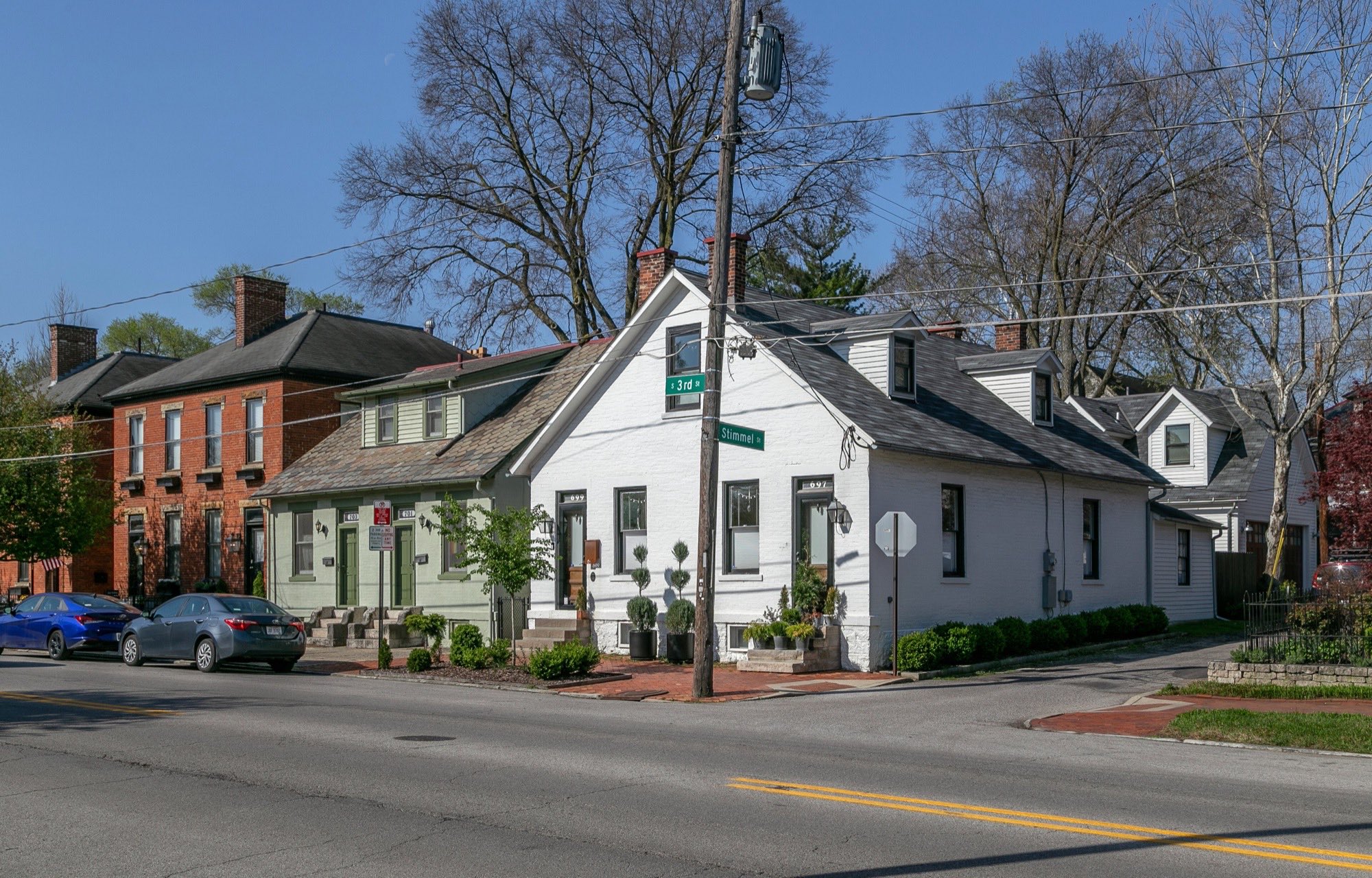
Brick houses set close together along a street in the German Village neighborhood of Columbus
German Village, Columbus. Photo: Pythaglio, CC BY-SA 2.0

The gap

Central Ohio has 58 affordable homes for every 1002 of its lowest-income renters.

Statewide the arithmetic is the same shape. Ohio has more than 706,000 renters2 at or below half the area median income and roughly 503,000 affordable rental homes2 available to them, a shortage of over 202,000 units2. Central Ohio carries the state's highest eviction filing rate at 8.5 percent2 of renters.

For a developer that is a demand signal rather than a social statistic. It says the product that clears here is a standard, repeatable, modestly sized home at a price you can underwrite before you close on the land.

Columbus housing figures with sources
Affordable and available units per 100 renters at or below half the area median income, Central OhioOhio Housing Finance Agency, FY 2026; it was 69 per 100 in 202158
Statewide shortage of rental homes affordable to renters at or below half the area median incomeSame assessmentover 202,000
Permits for new residences, Columbus area, 2024Up slightly from 10,196 in 202310,474
New homes a year the region's builders say demand calls forVogt Strategic Insights for the Building Industry Association of Central Ohio14,000 to 19,000
Households in the region paying at least half their income on housingAffordable Housing Alliance of Central Ohio; the number could grow by 20,000 by 2040about 80,000
Metro population, 2025Up more than 21,000 in a year, double the national growth rate2,242,028

What the rules say

Ohio approves the home. The city reviews the site.

The state licenses the home before a single module is framed

Ohio runs an Industrialized Unit programme through the Board of Building Standards. A manufacturer has to apply to the board for an authorization, which the rule describes as a licence to build industrialized units from construction documents the board has approved. Each unit then carries a board insignia, an official label with a unique number.5

The local scope is the site, not the home

The Board's own guidance to local building departments is unusually plain about the split. All work performed on site, meaning footings, foundations and site-built components, goes to the local building department for review, approval and inspections, and the scope of local inspections is limited to the on-site open construction work. Board-approved unit documents are submitted to the local building official as part of the plan approval application.6

The insignia has a shelf life, so schedule against it

An industrialized unit stays an industrialized unit for only two years6 after the Board's shipping insignia is affixed. After that the units have to be reviewed and inspected as moved structures instead. If your site work slips, that clock is the thing that bites.

Columbus rezoned its corridors for capacity it has not yet built

The city's Zone In proposal created six new mixed-use zones across 12,300 parcels3, raising projected capacity from 6,000 housing units3 to roughly 88,000 new homes3 over ten years, which the city put at 44 percent3 of the region's housing demand.3

The first phase is adopted and the pipeline is still thin

City Council approved the first Zone In changes in July 2024, eventually rezoning 140 miles of corridor across parts of 29 neighborhoods. Since adoption, proposals for up to 1,000 housing units4 have been submitted along those corridors. The capacity is zoned. Most of it is still unbuilt, which is where a standard home with a known price and a known schedule earns its place.4

How it works here

How you build here.

You send a site plan. We come back with the homes that fit, priced through delivery and set.

  1. Send the site plan

    A survey, a plat or a sketch with dimensions. Whatever you already have for the parcel.

  2. We fit and price

    Code and lot geometry decide what fits, not a salesperson. You get back only the homes that do, within 3 business days.

  3. Hold the plant slot

    The capacity fee holds the slot and locks the price on the homes.

  4. Delivered and set

    Your local site contractor pours the foundation and brings utilities. We deliver and set the homes on it.

PERCH is not your general contractor. Site work stays with your local team, and your local contractor's bid is the price.

Questions

Before you send a plan.

How is a factory-built home approved in Ohio?

Through the Board of Building Standards. A manufacturer applies for an authorization to build from construction documents the board has approved, and every unit leaves the plant carrying a board insignia with a unique number on it.5

What does the Columbus building department still review?

The site. The Board's guidance says all on-site work, meaning footings, foundations and site-built components, goes to the local building department for review, approval and inspections, and that local inspections are limited to the on-site open construction work. Zoning stays local too.6

Is there a deadline on a state-approved unit?

Yes, and it is the one most people miss. A unit counts as an industrialized unit for only two years6 after the Board's shipping insignia goes on. Past that it is reviewed as a moved structure, so your site schedule has to land inside the window.

Where can I add density without a rezoning in Columbus?

Along the Zone In corridors. Council adopted the first phase in July 2024, rezoning 140 miles of corridor across parts of 29 neighborhoods into new mixed-use districts. Confirm your parcel with the city's Department of Building and Zoning Services before you plan around it.4

Who does the site work?

Your own local site contractor. They handle zoning and any rezoning, site permits, grading, the foundation and utilities, and the local inspections of the site and the connections between units. Their bid is the site price.

Does PERCH price the site work?

No. PERCH prices the homes through delivery and set. Your site contractor bids the grading, foundation and utilities, and that bid is the site price.

What should I send?

Your site plan. A plat or survey with lot lines and setbacks is enough to start, and we return the standard homes that fit each lot and the price.

Sources (8)
  1. Columbus Region, “Columbus Metro Growth Doubles National Rate, Strengthening Position as Midwest Leader, reporting U.S. Census Bureau 2025 metro estimates”, 2026-03-26. columbusregion.com Back to text
  2. Ohio Housing Finance Agency, “FY 2026 Ohio Housing Needs Assessment, Executive Summary”, 2026. ohiohome.org Back to text
  3. City of Columbus, “Columbus Introduces Zoning Code Proposal Capable of Creating 88,000 Housing Units”, 2024-04-04. columbus.gov Back to text
  4. American Planning Association, “Columbus Zones In on More Housing Amid Population Boom, by Jon DePaolis”, 2025-05-13. planning.org Back to text
  5. Ohio Laws and Administrative Rules, “Ohio Administrative Code Rule 4101:10-2-01, Industrialized units, definitions”, 2025-04-01. codes.ohio.gov Back to text
  6. Ohio Board of Building Standards, “BBS Memo: Local Building Departments and State-Approved Industrialized Units”, 2018-02-08. dam.assets.ohio.gov Back to text
  7. Construction Owners Club, “Columbus Apartment Construction Declines in 2024 Amid Housing Crisis, by Caroline Raffetto, reporting The Columbus Dispatch”, 2025-03-09. constructionowners.com Back to text
  8. ABC 6 On Your Side, “Group says cutting Central Ohio housing gap could increase life expectancy, add jobs, reporting the Affordable Housing Alliance of Central Ohio”, 2023-10-24. abc6onyourside.com
The Scioto Mile riverfront park at dusk with the lit downtown Columbus skyline behind it

Build here.

Send your Columbus site plan and get back only the homes that fit, priced through delivery and set.

Site plan

Your plan stays private. We reply by email.

Photo: levlaz, CC BY-SA 2.0