


Construction codes are mid-rewrite
The Department of Buildings is updating all twelve code categories to newer International Code Council editions, with a first set of proposed rules expected in late 2026 and final rules in winter 2027.3
Send a site plan. Get back only the standard homes that fit, priced through delivery and set.
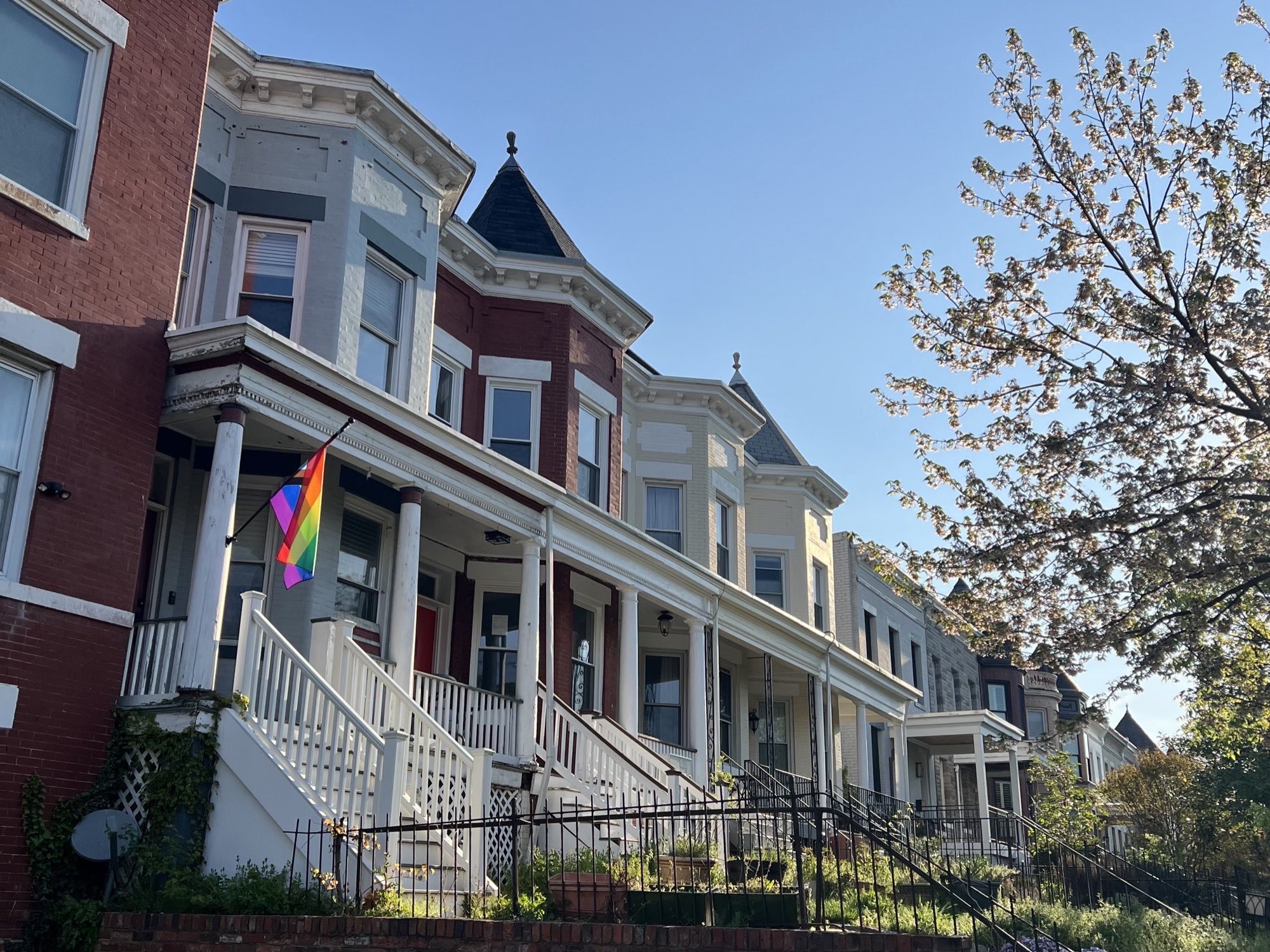
Send your site planPhoto: CityLimitsJunction, CC0
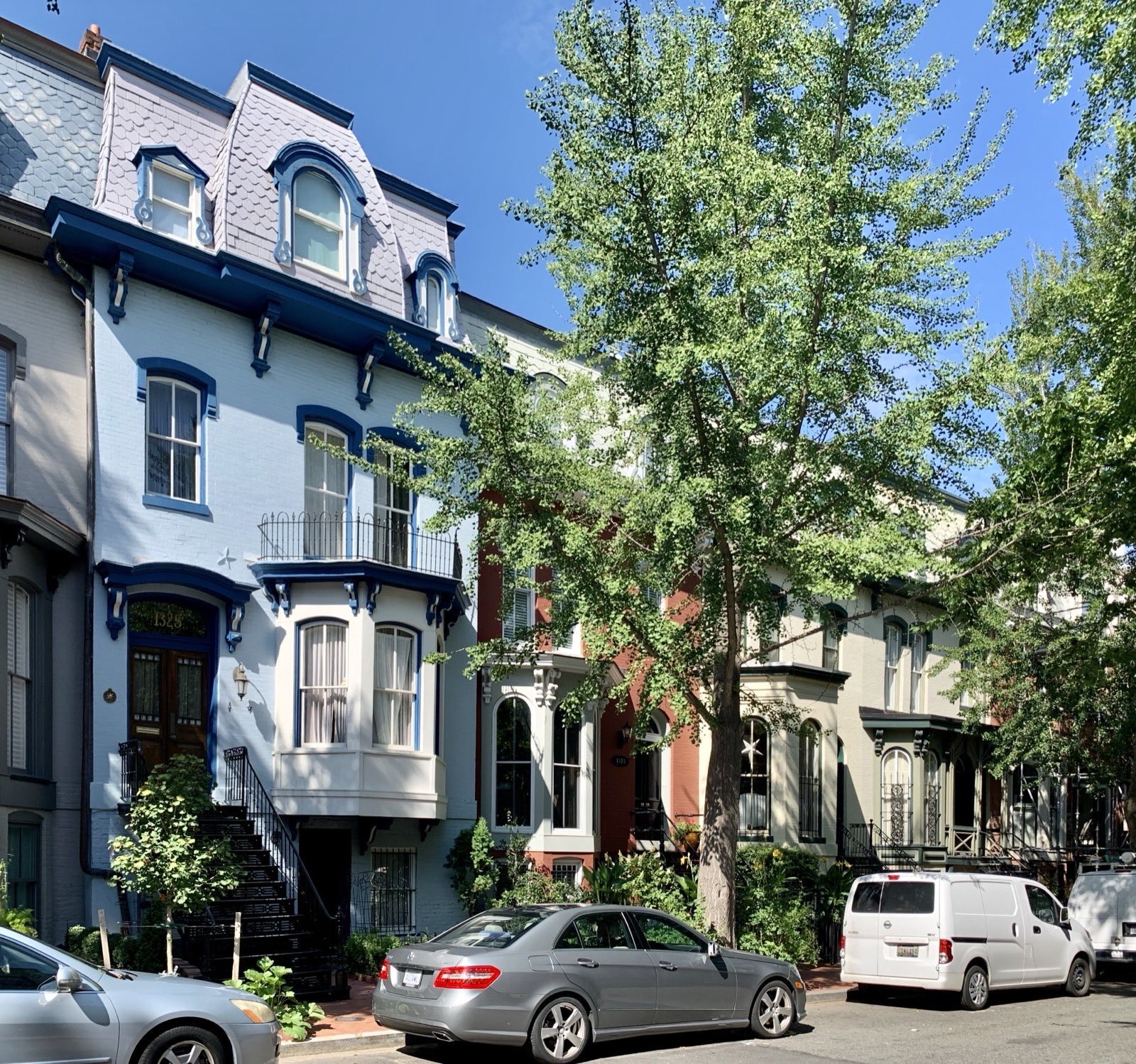
The city
Every figure on this page covers the District of Columbia itself, not the wider region across Maryland and Virginia. The District counted 693,645 residents6 in 2025, on the Census Bureau estimates its own Chief Financial Officer publishes. They live in a stock of about 349,000 homes1 in which single family houses are only 27 percent1 of the homes but sit on close to 80 percent1 of the residential buildings, which is why most of the land here cannot absorb another home without a rezoning.
“By adding tens of thousands of new homes over the past decade, we've been able to blunt the rise in housing costs and get more Washingtonians into affordable housing.”
In their words
The District permitted 1,372 multifamily homes1 in 2025, down from an annual range of 5,000 to 8,0001 a few years earlier.
“In January of 2026, only one multifamily building pulled a permit for 30 units.”
Yesim Sayin and Emilia Calma, authors of Breaking the Scarcity-Subsidy Cycle · D.C. Policy Center, May 2026
“Our housing policies must protect residents while ensuring we can continue to build, preserve and invest in the housing our city needs.”
Nina Albert, Deputy Mayor for Planning and Economic Development · Government of the District of Columbia, July 2026
“It expands funding tools but does not address the conditions that determine whether housing gets built including zoning constraints, lengthy permitting approvals, fragmented agency reviews, and rising operating costs.”
Emilia Calma, Director, Wilkes Initiative for Housing Policy · D.C. Policy Center, testimony to the Council Committee on Housing, March 2026
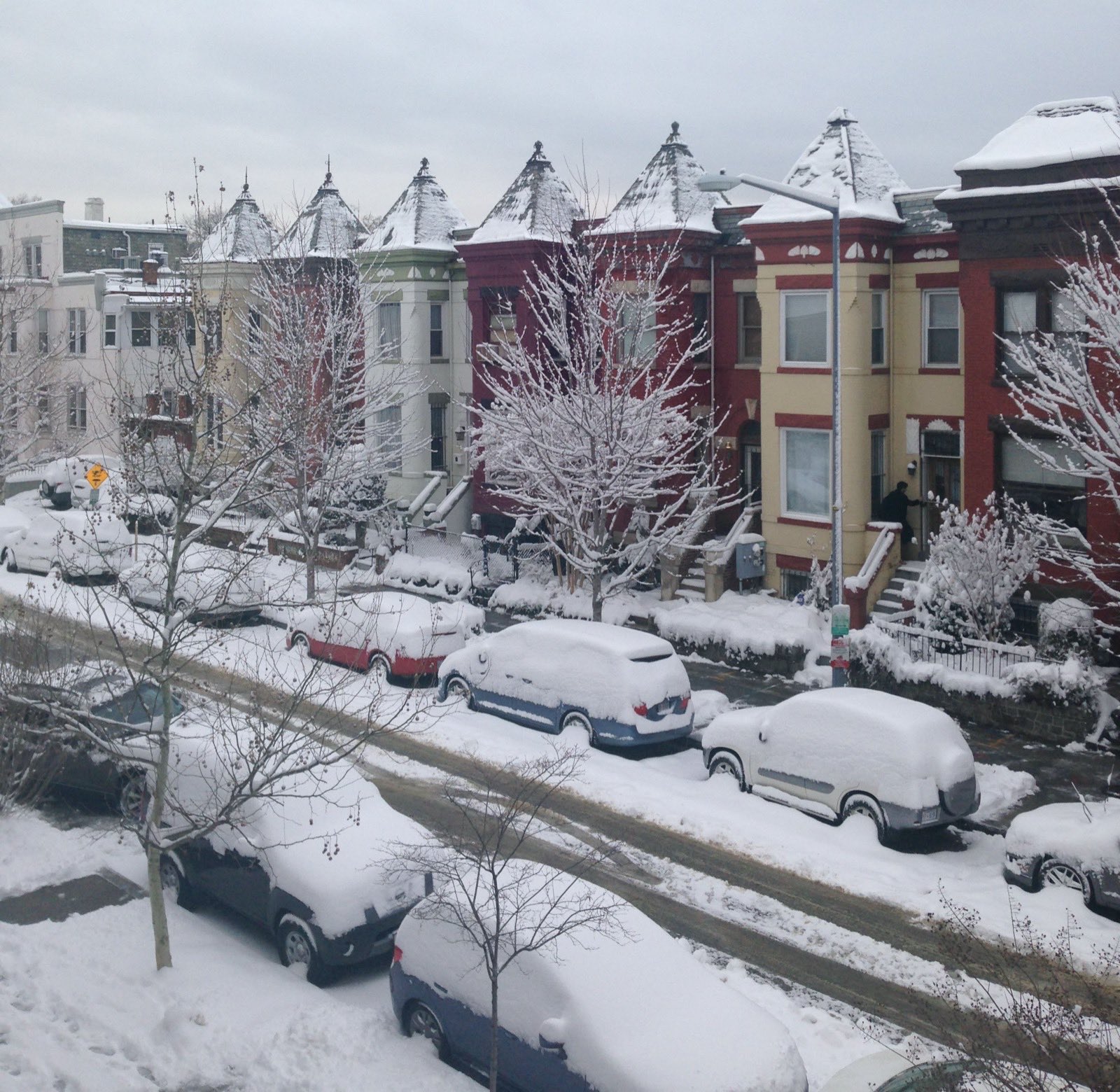
The gap
The pipeline is thin and the geography is narrow. Recent growth went where zoning already allowed it rather than where it was needed, so a few corridors absorbed the city's expansion while most of the city stayed still. That is the opening for a standard home you can repeat on small infill parcels.
| Homes in the DistrictD.C. Policy Center, May 2026; District of Columbia only | about 349,000 |
|---|---|
| Multifamily homes permitted in the District in 2025Down from an annual range of 5,000 to 8,000 a few years earlier | 1,372 |
| Multifamily homes added per year, 2020 to mid-202536,335 units across the period | 7,267 |
| 2024 permits as a share of that recent average1,737 permits pulled in 2024 | 24 percent |
| Apartment homes under construction in the District, first quarter 2026In 38 buildings, down from 12,602 homes in 88 buildings in the first quarter of 2023 | 5,000 |
| Market rate apartment homes in the District, first quarter 2026Effective rent $2,174 a month, down 3.2 percent year on year | 189,696 |
| District residents in 2025Census Bureau estimates carried in the District's own trend report; up 2,335 on 2024 | 693,645 |
| Share of District homes used as rentals in 2024About 231,000 homes, in a stock not designed for it | 68 percent |
| Homes added in the District since 2015Includes over 22,000 affordable homes | more than 73,000 |
| Homes advanced under Housing in Downtown since March 2024Across ten projects, including 289 affordable homes | 2,563 |
| Homes converted from office space in 2024 and 2025A further 1,803 under construction and 4,258 in the conversion pipeline | 1,904 |
What changed
The Department of Buildings is updating all twelve code categories to newer International Code Council editions, with a first set of proposed rules expected in late 2026 and final rules in winter 2027.3
Plans here go to the Department of Buildings under the District Construction Codes, and those codes are changing. Get the review path for an offsite residential plan set in writing before you lock a schedule.3
The Accelerated Plan Review program schedules a review meeting within 15 business days, and DOB says permits can be issued within one business day of plan approvals from all participating parties. It cannot be combined with the standard permit process.4
The Housing Investment Protection Act of 2026 would expand project-based vouchers under the Local Rental Supplement Program from 30 percent to 50 percent and set a 60-day hearing timeline for eviction cases. It was introduced in July 2026, so check its status with the Council before you underwrite around it.2
The Housing in Downtown program offers a twenty year tax abatement for commercial to residential conversions, and the District estimates its $41 million investment will help deliver about 8,400 homes. It is aimed at office buildings rather than vacant land, so read it as a signal about where the District is spending attention, not as a programme for your infill site.5
Independent testimony to the Council's Committee on Housing in March 2026 argued that the District's Housing Production Omnibus expands funding tools without touching zoning constraints, permitting timelines or fragmented agency reviews. Those are the items that decide your schedule here.7
Growth has concentrated in a handful of corridors where zoning already allowed density. Expect the land use conversation, not the building permit, to set your schedule. Plan the community meetings into the programme.
How it works here
You send a site plan. We come back with the homes that fit, priced through delivery and set.
A survey, a plat or a sketch with dimensions. Whatever you have.
Code decides what fits each lot, not a salesperson. You get only the homes that do.
The capacity fee holds the slot and locks the price.
Your own site contractor handles the pad and utilities. We deliver and set the home from the factory nearest you.
PERCH is not your general contractor. Site work stays with your local team, and their bid is the price.
Questions
Yes. The site work, the foundation and the connections are permitted and inspected by the Department of Buildings under the District Construction Codes, and zoning stays with the District. DOB is updating those codes now, so confirm the current review path for your plan set before you file.3
DOB does not publish one fixed review time for residential projects. Its paid Accelerated Plan Review program schedules a review meeting within 15 business days and says permits can be issued within one business day of plan approvals from all participating parties. Ask DOB for current times on your project.4
The District of Columbia only. Housing coverage here often mixes the District with the metropolitan area across Maryland, Virginia and West Virginia, and the two tell different stories. Every figure on this page is the District itself, and the source list says which report it came from.
Your local team handles zoning and any relief with the Office of Zoning, site permits with the Department of Buildings, grading, foundation and utilities, and local inspections of the site and connections. Your site contractor's bid is the site price.
No. PERCH prices the homes through delivery and set. Your site contractor bids the grading, foundation and utilities, and that bid is the site price.
Your site plan. A plat or survey with lot lines and setbacks is enough to start; we return the standard homes that fit and the price.
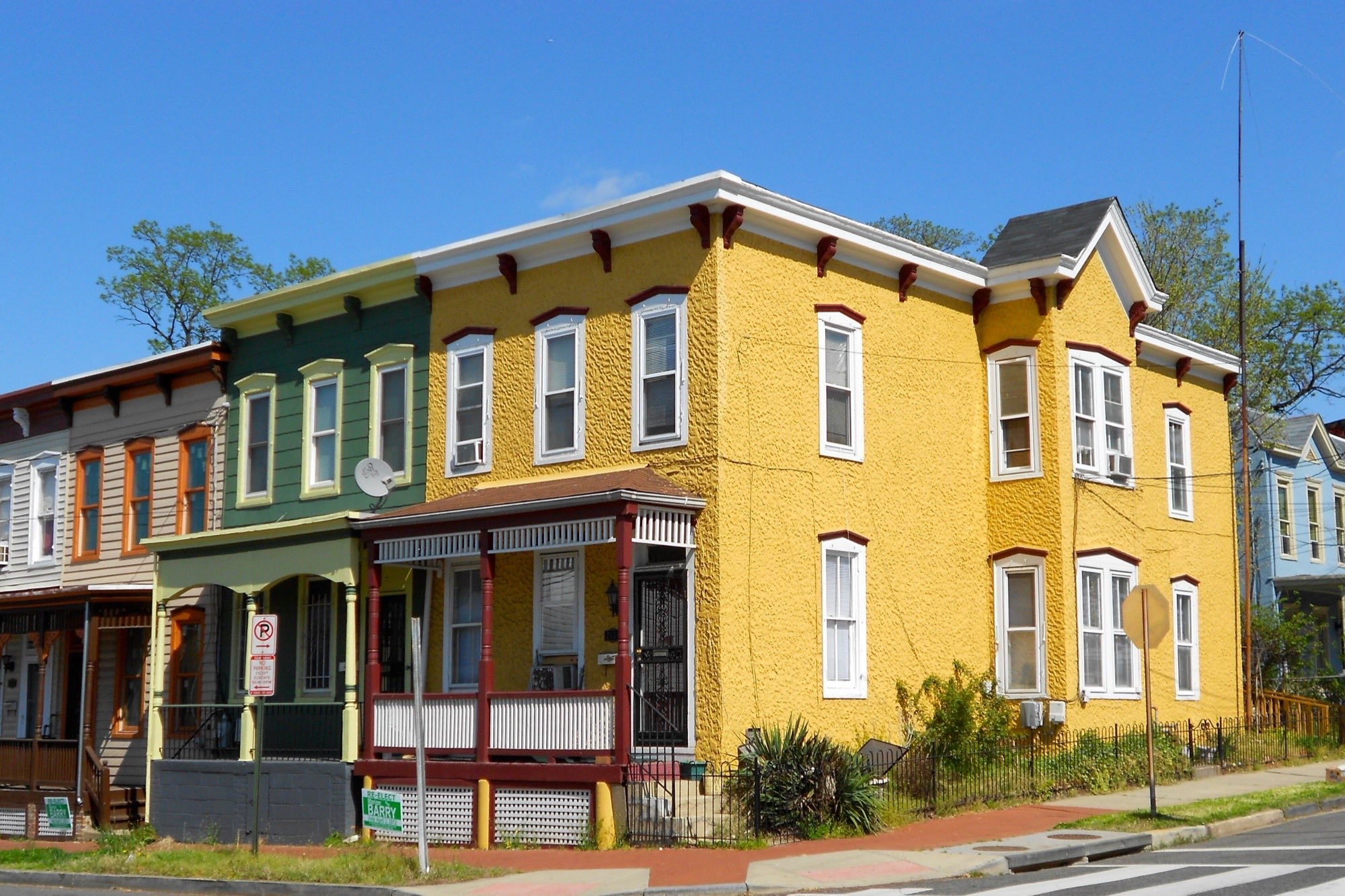
Send your Washington, DC site plan and get back only the homes that fit, priced through delivery and set.
Got it.
We'll fit and price every lot within 3 business days.
Photo: Smallbones, CC0
