The gap
The gap here is age and condition, not a unit-count headline.
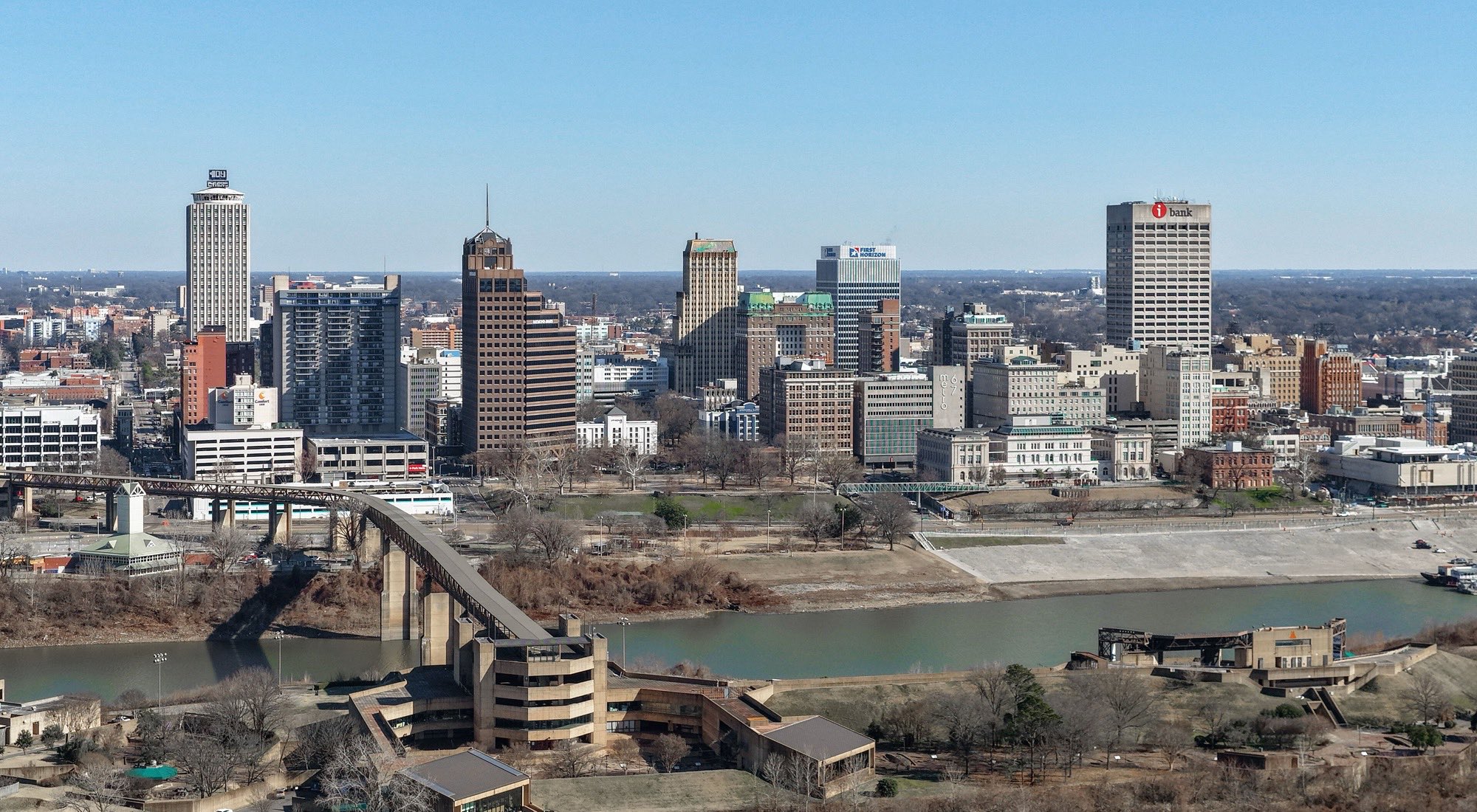
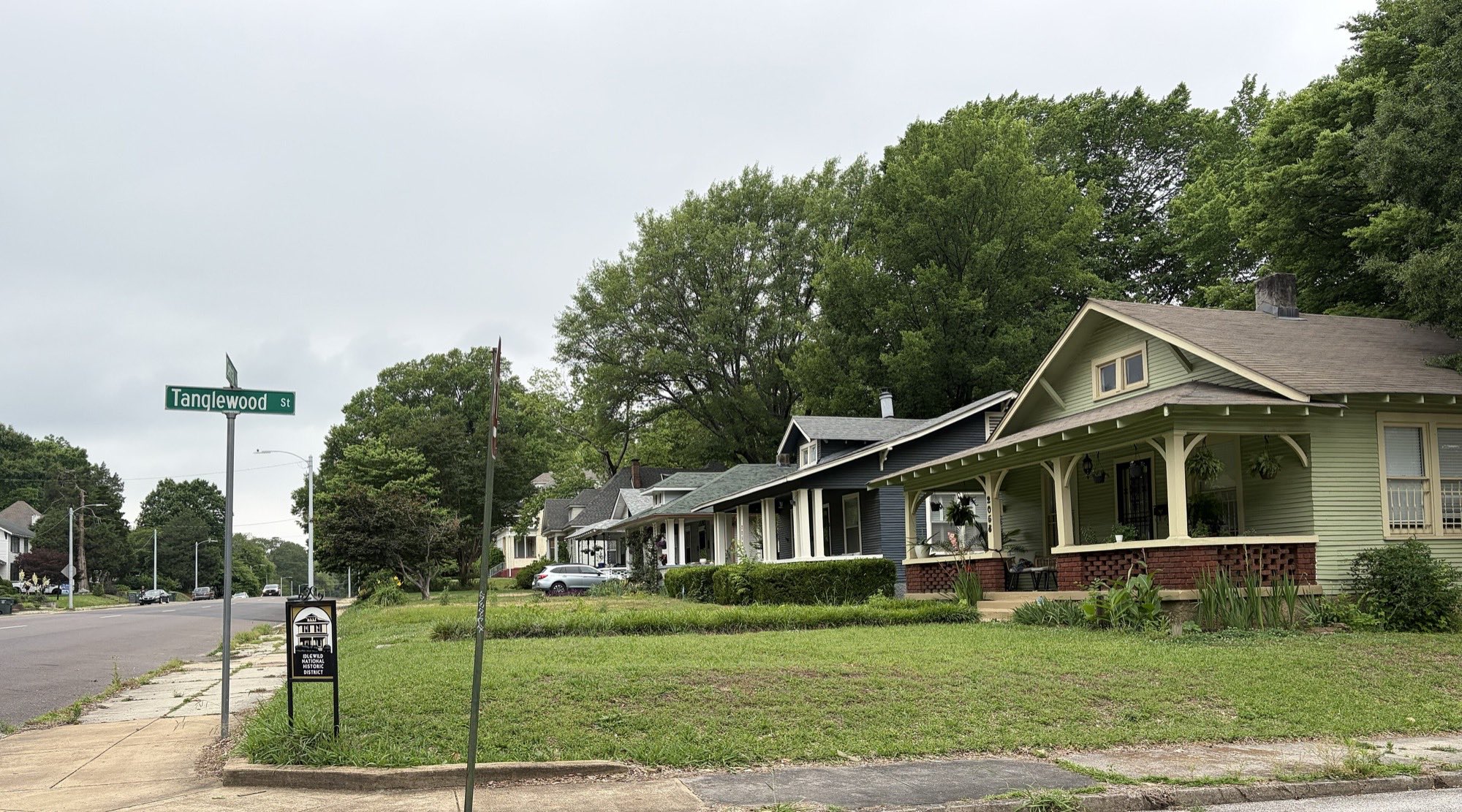
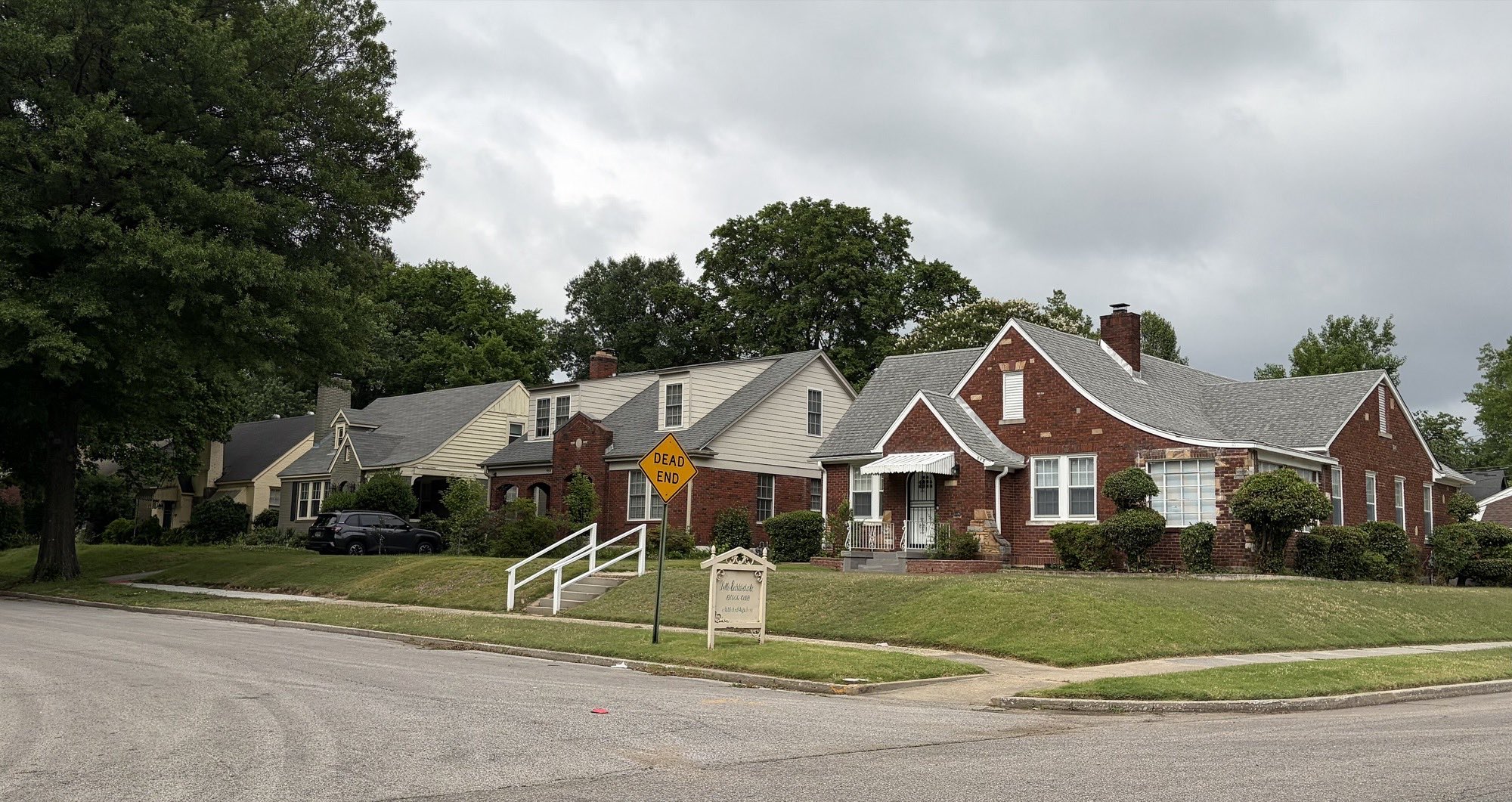
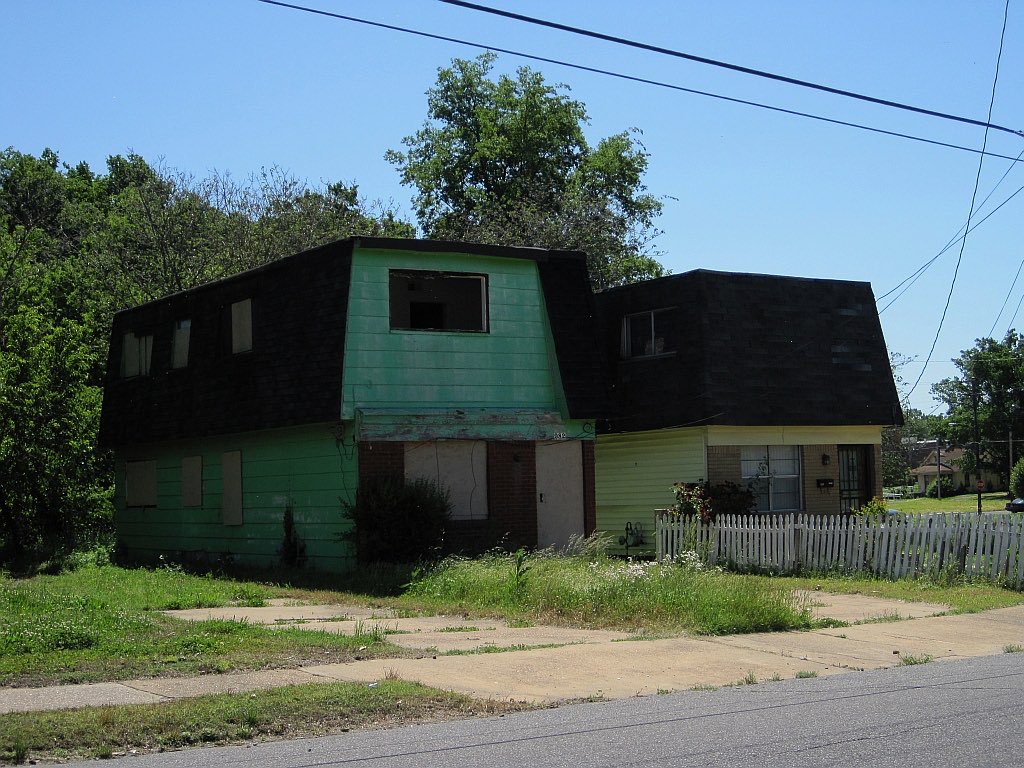
Nearly a third of Memphis single-family homes are at least seventy-five years old, and only 5 percent1 were built in 2000 or later. Researchers scored 310,6531 residential parcels in Shelby County against six measures of disinvestment and found 22,7161 of them at high risk. 11,0851 are vacant, and nearly 40 percent1 of those score high risk.
The loss is concentrated rather than general. Over 75 percent1 of the high-risk properties sit in just ten zip codes. Citywide housing vacancy is 12.5 percent1; in tracts where half or more of households are cost burdened it is 19 percent1.
The Census Bureau counts the same city on a wider basis, and says the same thing in its own terms. Across all Memphis housing units, apartments included rather than detached houses alone, 67.3 percent9 were built before 1980, only 4.1 percent9 have gone up since 2010, and 12.9 percent9 stand vacant.
The City is blunt about why rebuilding stalls: in many areas within Memphis it costs more to build or rehabilitate a home than the home is worth. That is an arithmetic problem, and it is the one a standard home is built to attack. Memphis permit data puts the average total cost of a single-family build at $254,0001 and the average cost per unit of a duplex or townhome at $109,0001.
Where that rebuilding happens is not following the plan either. Since 2020 only 16 percent1 of new housing has been built within half a mile of a Memphis 3.0 anchor.
None of which means Memphis is cheap to rent in. The report's authors count 37,0002 households earning under 30 percent2 of the area median income against 8,5002 homes affordable to them, and between 2019 and 2024 median household income rose 20 percent2 while median rents rose 37 percent2.