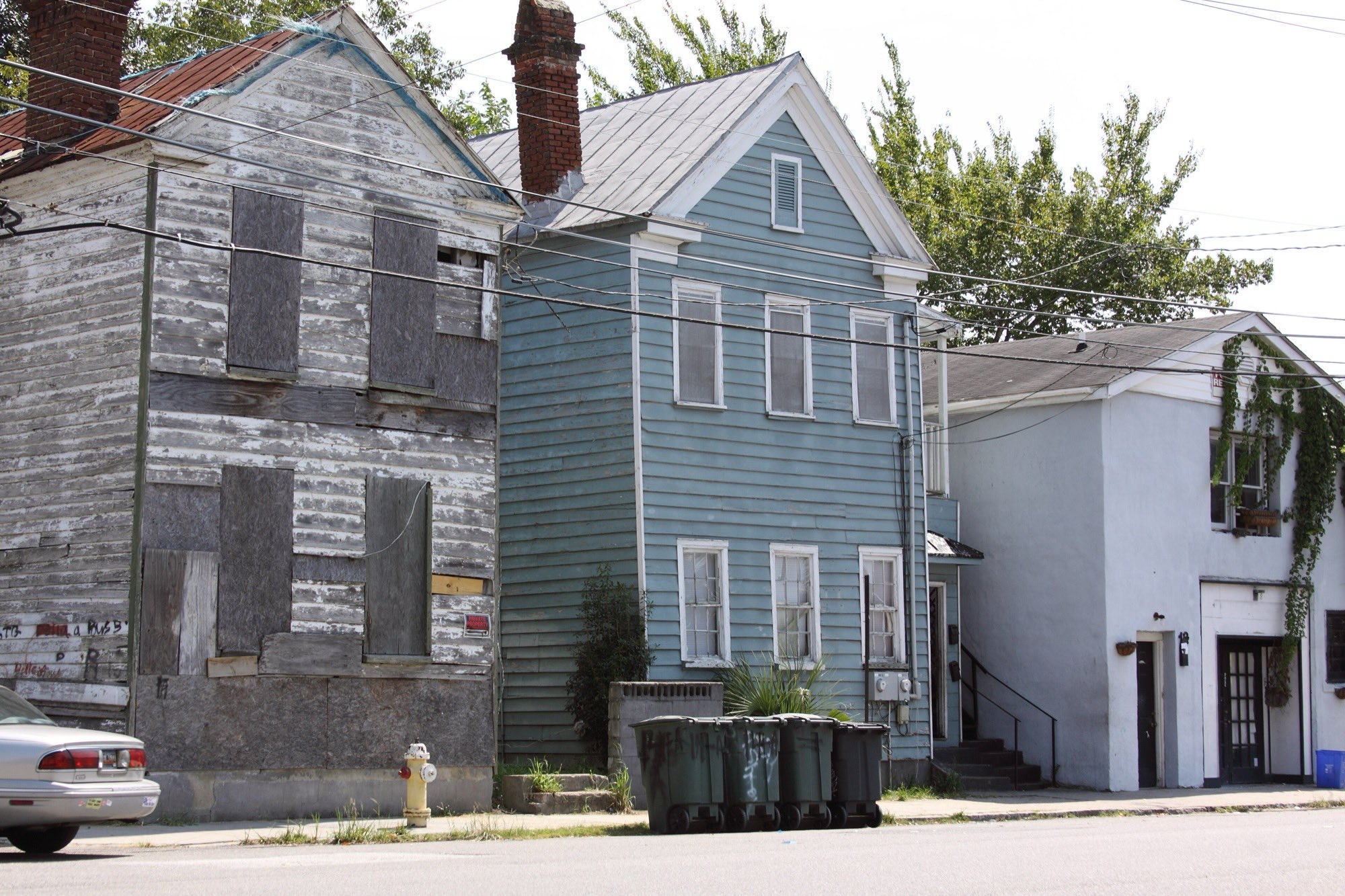
Hagood Street in downtown Charleston, South Carolina, with low buildings and parked cars under a bright sky

CharlestonModular homes for the developers building it.

Send a site plan. Get back only the standard homes that fit, priced through delivery and set.

Send your site plan

Photo: Mydogtryed, CC BY-SA 3.0

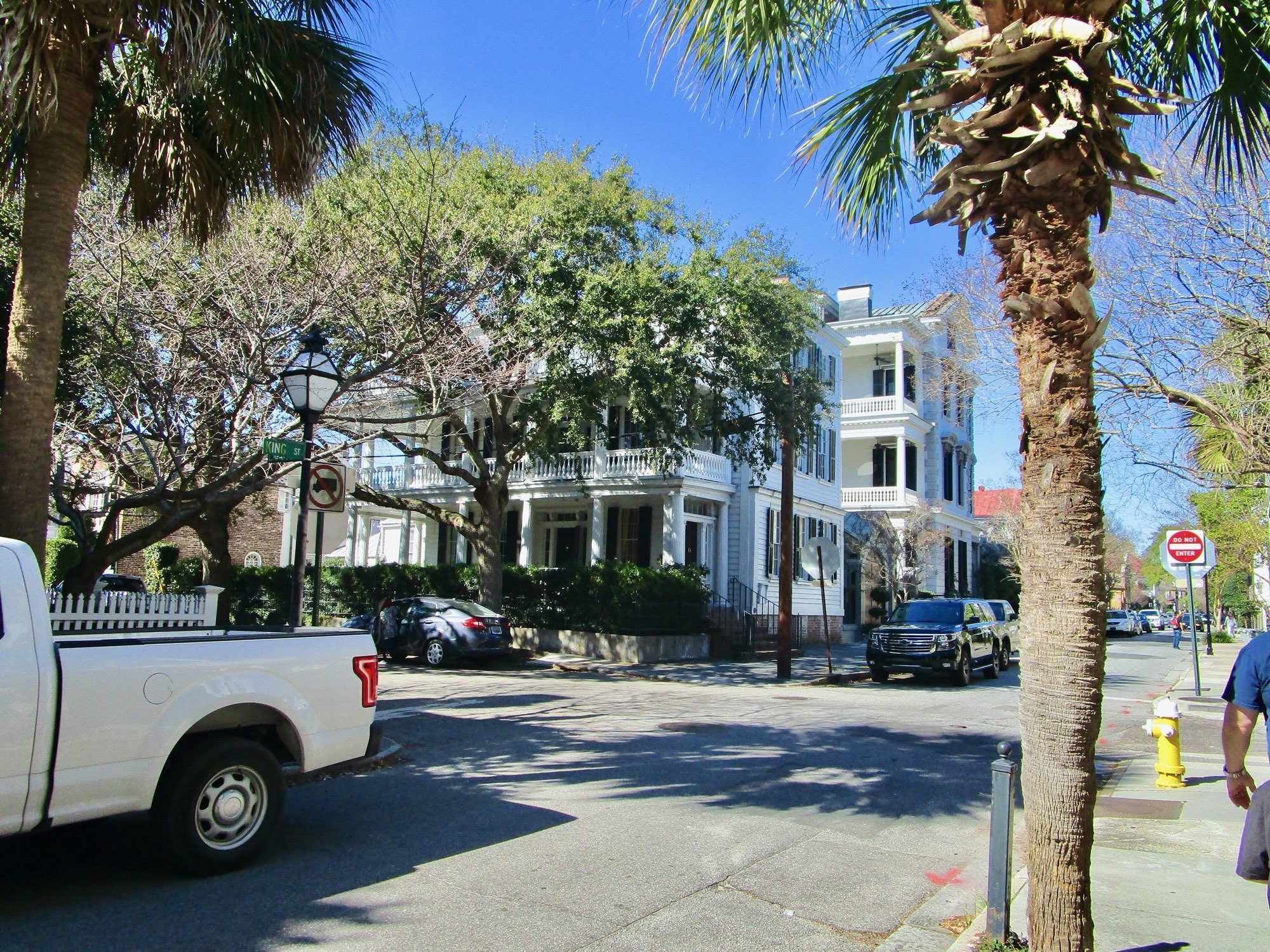
Houses at King and Lamboll Street in Charleston, South Carolina, with porches and a brick sidewalk
King and Lamboll Street, Charleston. Photo: Thomas Kirchel, CC BY-SA 4.0

The city

A region growing faster than it can build.

The three counties around Charleston held 667,945 people6 in 2010 and 802,9616 in 2020, and the state projects 908,7676 by 2030. Berkeley County alone is projected to add 61,419 people6 between 2020 and 2030, which is 58 percent6 of the region's new residents.

Charleston County is the constrained part of that math. Growth is pushing up the I-26 corridor because the land that is easiest to build on is no longer in the city.

“We know there's a big gap between supply and demand.”

Eric Davis, Director of Housing and Land Management, Charleston County, June 2026

In their words

The gap has a number now.

County staff, the regional chamber and the state projections all describe the same shortfall, and they describe it in units rather than in adjectives.

  1. “Population growth is a huge factor.”

    Eric Davis, Director of Housing and Land Management, Charleston County · Live 5 News, WCSC, June 2026

  2. “The Tri-County region is facing a shortfall of 47,000 to 60,000 housing units.”

    Charleston Metro Chamber of Commerce, on its 2025 regional housing report · Charleston Metro Chamber of Commerce, December 2025

  3. “Federal grants is a major component for supplying affordable housing in Charleston County,”

    Loella Smalls, Director of Community Development and Revitalization, Charleston County · Live 5 News, WCSC, June 2026

A clapboard house on North Hanover Street in Charleston, South Carolina, with a side porch and a narrow yard
North Hanover Street, Charleston. Photo: ProfReader, CC BY-SA 4.0

The gap

Charleston County needs about 36,000 more homes4 by 2033.

The county's housing plan put the figure in writing, and the regional number is larger still.

Charleston housing figures with sources
New homes Charleston County needs by 2033County housing plan, reported June 202636,000
Shortfall of homes across the three counties2025 regional housing report, via the Charleston Metro Chamber47,000 to 60,000
Charleston County households spending over 30% of income on housingCounty figure, June 20261 in 3
Three-county population, 2020State projections compiled by the regional council of governments802,961
Three-county population projected for 2030Same source908,767
Residents Berkeley County is projected to add, 2020 to 2030Same source; 58% of the region's growth61,419

What changed

Here, water sets the first dimension.

Two feet of freeboard above the base flood elevation

In the Special Flood Hazard Area, the City's design flood elevation for a new home is the base flood elevation plus 2 feet1 of freeboard. That number decides how tall the foundation has to be before a single module arrives, and it is the reason a factory-built home here sits on a raised pad rather than a slab.1
The water is still coming up

The City reports 13 inches2 of sea level rise over the past hundred years from tide gauge data, and says almost half of that total came in the last twenty years. Design to the current requirement, then check it again before you repeat a plan on the next parcel.2

Historic review is its own approval

In the historic districts the Board of Architectural Review reviews new construction, additions and alterations visible from the public right of way, and larger projects go to the full board rather than to staff. It is a calendar item, not a formality.5

The county has published the need

Charleston County's housing plan estimates 36,000 additional homes4 by 2033. A public number is useful in a rezoning hearing, because it is the county's number rather than yours.4

Neighbors

Flood requirements and review calendars are knowable in advance. The conversation about density is not. Put it on the schedule with the same seriousness as the survey.

How it works here

How you build here.

You send a site plan. We come back with the homes that fit, priced through delivery and set.

  1. Send the site plan

    A survey, a plat or a sketch with dimensions. Whatever you have.

  2. We fit and price

    Code decides what fits each lot, not a salesperson. You get only the homes that do.

  3. Hold the factory slot

    The capacity fee holds the slot and locks the price.

  4. Delivered and set

    Your own site contractor handles the raised pad, the foundation and the utilities. We deliver and set the home on it.

PERCH is not your general contractor. Site work, including elevating the pad to the design flood elevation, stays with your local team, and their bid is the price.

Questions

Before you send a plan.

How high does the home have to sit?

In the Special Flood Hazard Area, the City's design flood elevation for a new home is the base flood elevation plus two feet of freeboard, so the foundation height is set by the flood map before the home is chosen. Confirm the base flood elevation for your parcel with the City's floodplain staff.1

Does a factory-built home work on a raised foundation here?

Yes. The home is designed to land on the foundation your contractor builds, and in Charleston that foundation is usually raised to the design flood elevation. The height requirement changes the site work, not the fact that the home arrives finished.1

Will my project go to the Board of Architectural Review?

It depends on the parcel. In the historic districts the board reviews new construction and alterations visible from the public right of way, with larger projects going to the full board. Check the board's boundaries before you set a schedule.5

Is the growth in Charleston County or the counties around it?

Both, but the projected share is shifting. The state projects Berkeley County to supply most of the region's new residents this decade, which is where a lot of the buildable land is.6

Who does the site work?

Your local team handles zoning and any rezoning, the site permits, grading, the raised pad and foundation, utilities and local inspections of the site and connections. Your site contractor's bid is the site price.1

Does PERCH price the site work?

No. PERCH prices the homes through delivery and set. Your site contractor bids the pad, foundation and utilities, and that bid is the site price.

What should I send?

Your site plan. A plat or survey with lot lines and setbacks is enough to start, and the flood zone if you have it. We return the standard homes that fit and the price.

Sources (6)
  1. City of Charleston, South Carolina, “Building Flood Design Compliance Matrix, March 2023, citing City of Charleston Code of Ordinances 27-116 and 27-117, Ratification Number 2020-032”, 2023-03. charleston-sc.gov Back to text
  2. City of Charleston, South Carolina, “Flooding and Sea Level Rise Strategy, citing NOAA tide gauge data”, 2026. charleston-sc.gov Back to text
  3. Charleston Metro Chamber of Commerce, “Understanding the Charleston Region's Housing Gap, citing the 2025 report The Charleston We Love”, 2025-12-05. new.charlestonchamber.org
  4. Live 5 News, WCSC Charleston, “Charleston County needs 36,000 new housing units by 2033 as officials work to keep pace with growth”, 2026-06-24. live5news.com
  5. City of Charleston, South Carolina, “Board of Architectural Review, Department of Planning, Preservation and Sustainability”, 2026. charleston-sc.gov Back to text
  6. Berkeley-Charleston-Dorchester Council of Governments, “Trends in Population Growth, Charleston Region 2010-2030, citing S.C. Revenue and Fiscal Affairs Office projections”, 2022. bcdcog.com Back to text
A two-storey house on Rutledge Avenue in Charleston, South Carolina, set back behind a low fence

Build here.

Send your Charleston site plan and get back only the homes that fit, priced through delivery and set.

Site plan

Your plan stays private. We reply by email.

Photo: ProfReader, CC BY-SA 4.0